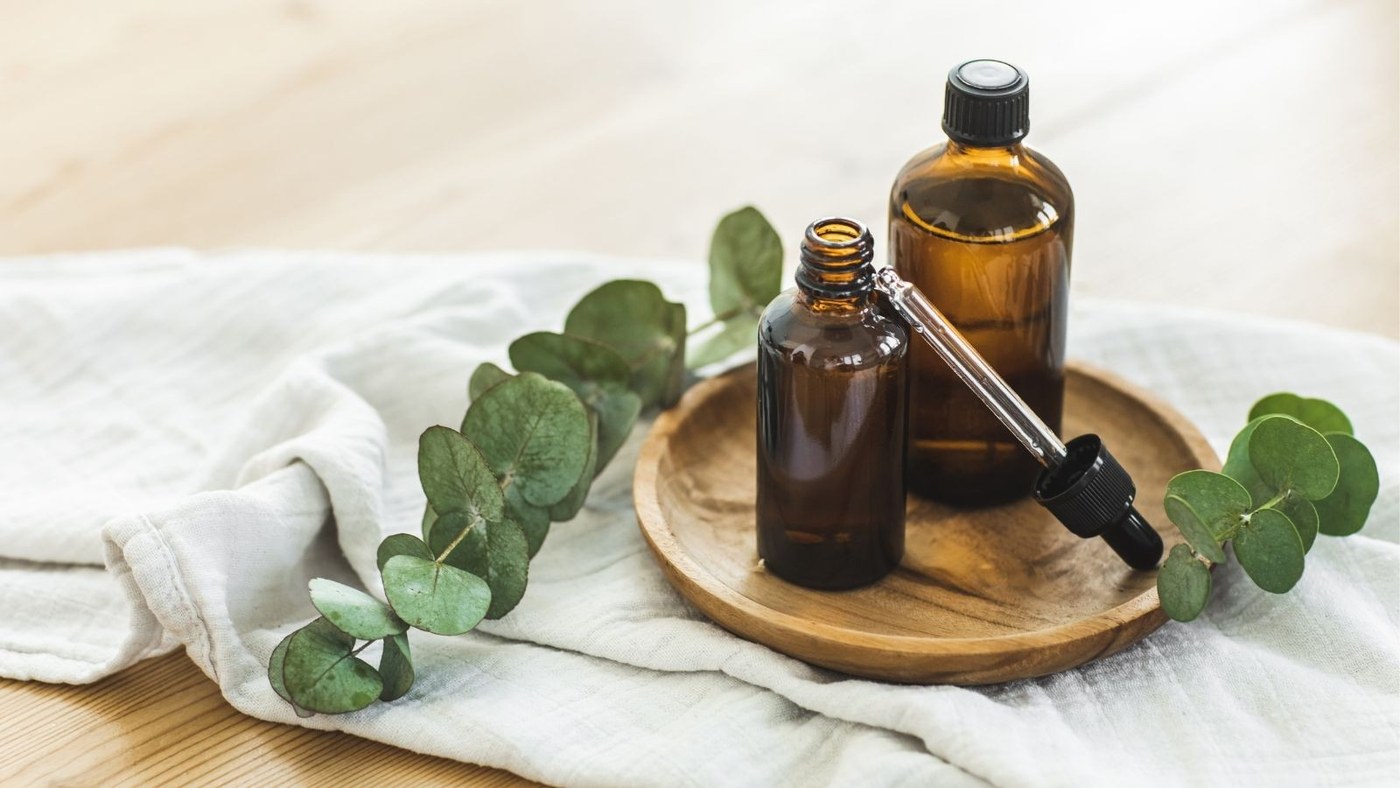
Do Not Add Essential Oils to Cleaning Products Casually
Concentrated fragrance needs its own compatibility and exposure assessment.
READ MORE
Concentrated fragrance needs its own compatibility and exposure assessment.
READ MORE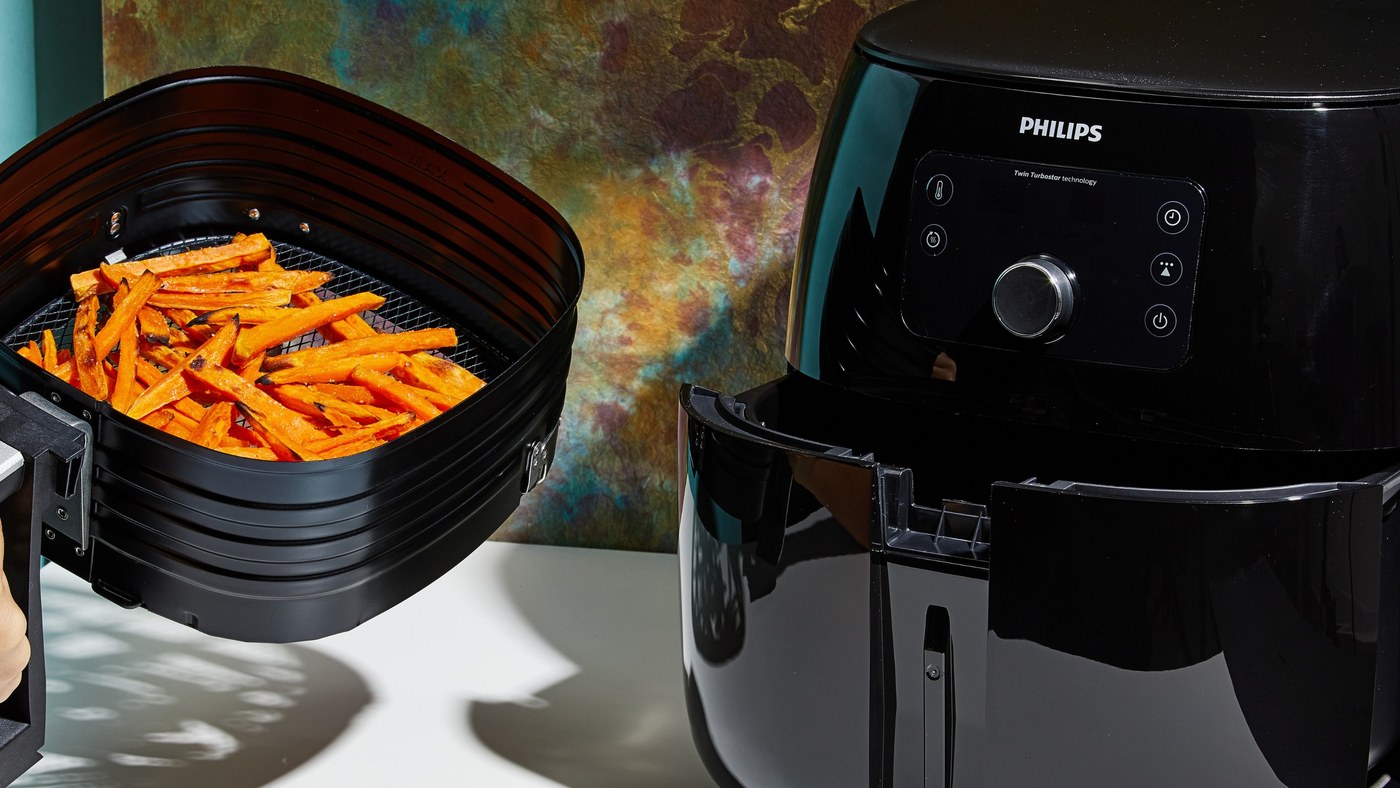
A reported fire highlights why online steam-cleaning tricks must not replace the appliance manual.
READ MORE
Bleach compatibility depends on the specific appliance and its instructions.
READ MORE
A space-saving system still benefits from separating tools used in different hygiene areas.
READ MORE
Wood, metal and woven outdoor furniture benefit from different care rather than one aggressive wash.
READ MORE
Cleaning around the contents leaves areas inaccessible and exposes food to changing temperatures.
READ MORE
Dew and grass do not provide a controlled treatment for baked-on cooking residue.
READ MORE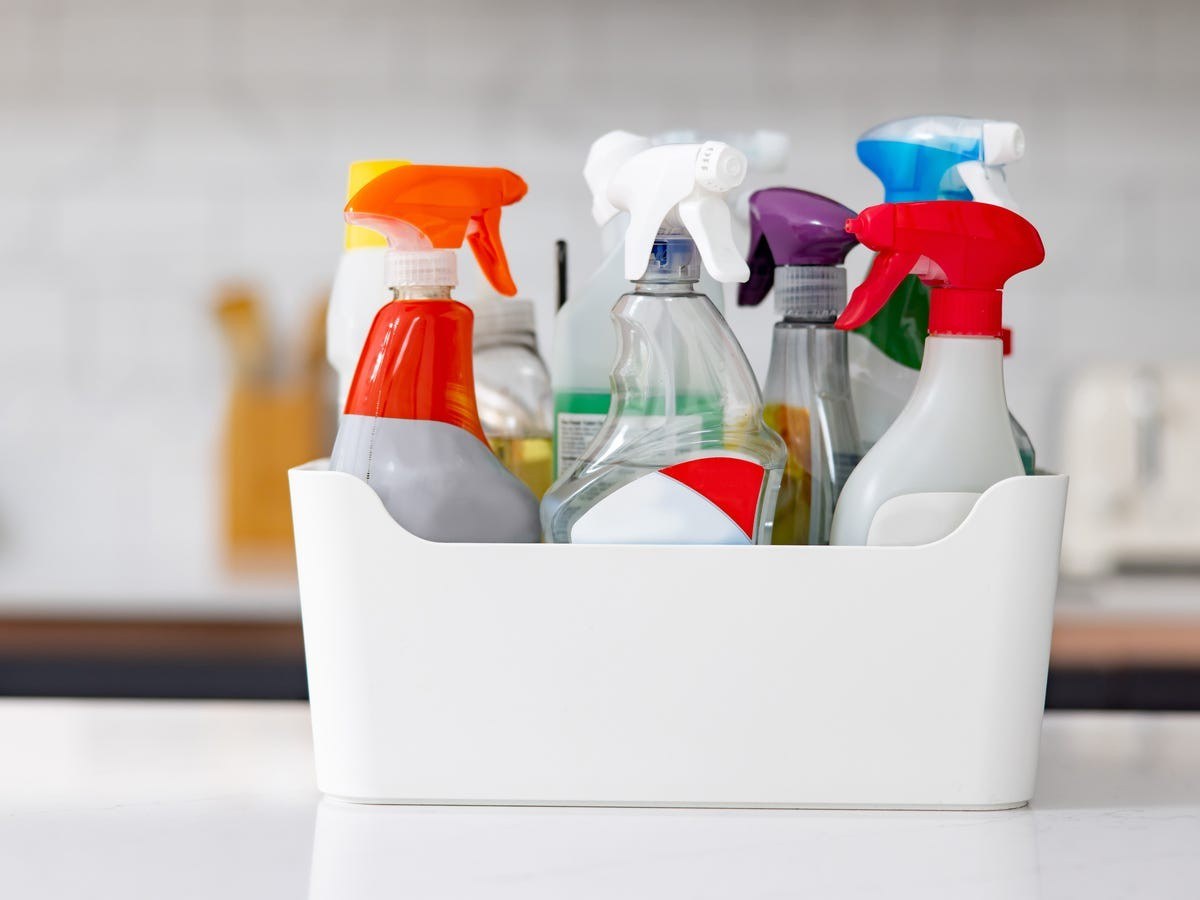
A cool, dry and secure storage place protects cleaning products better than spare garage space.
READ MORE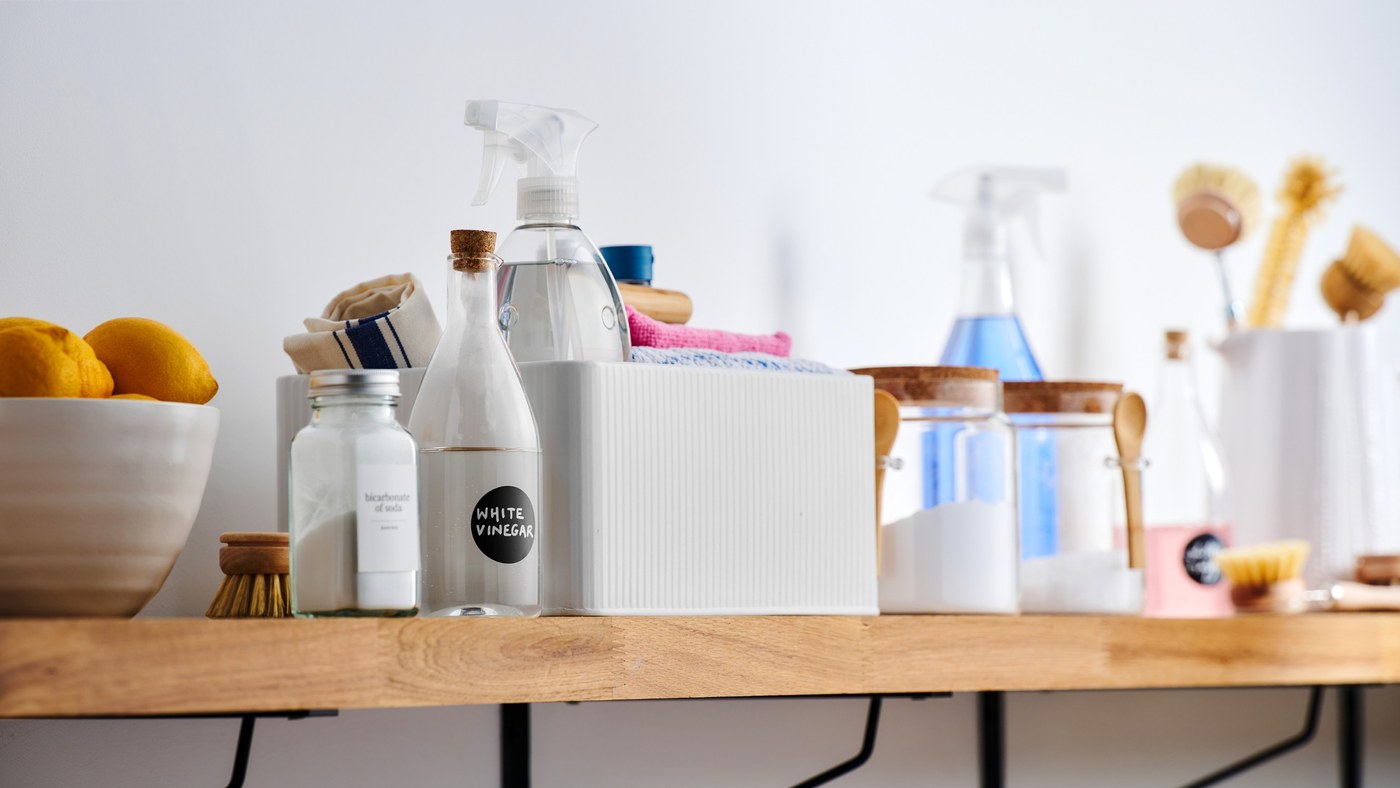
A smaller kit is easier to manage when every product keeps its original label.
READ MORE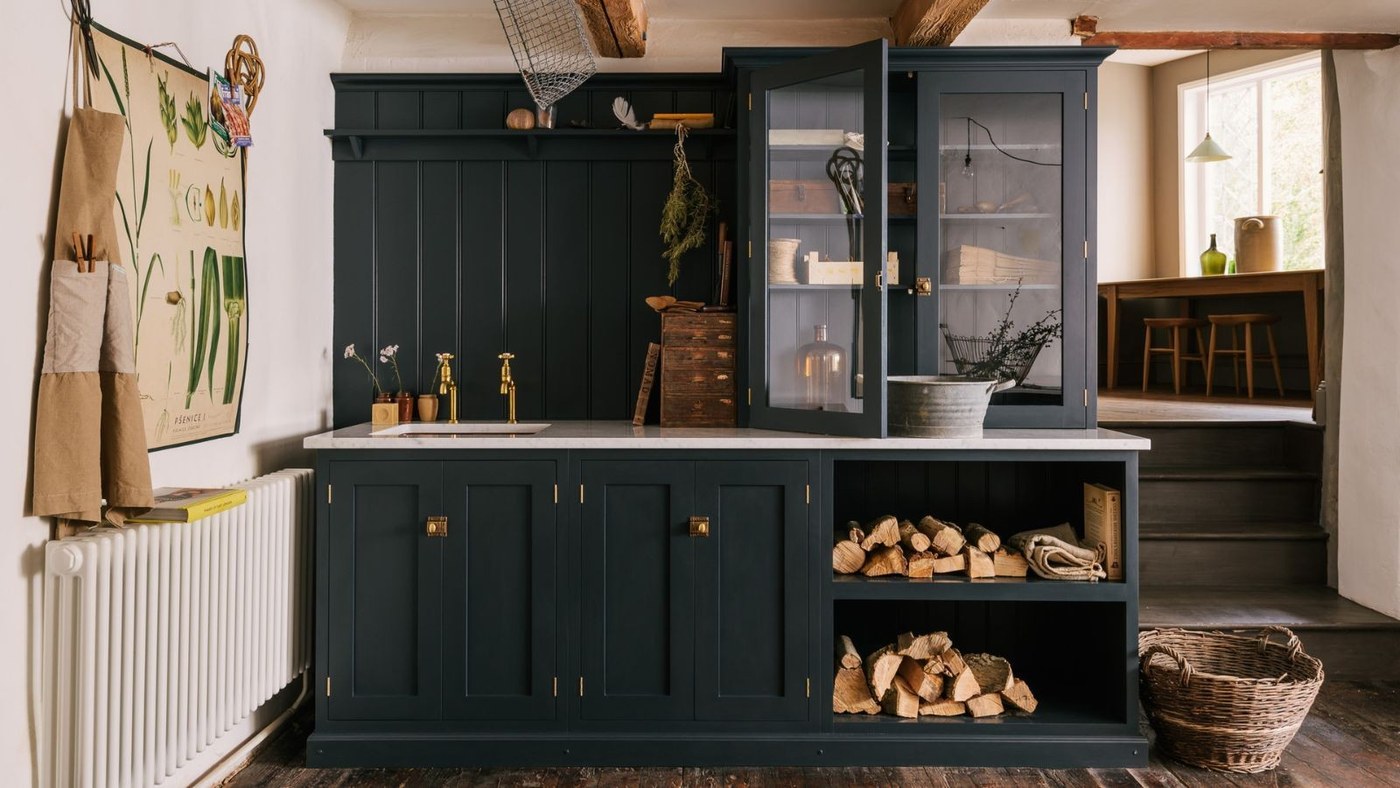
Ingredient information and approved use provide more useful detail than a broad reassurance.
READ MORE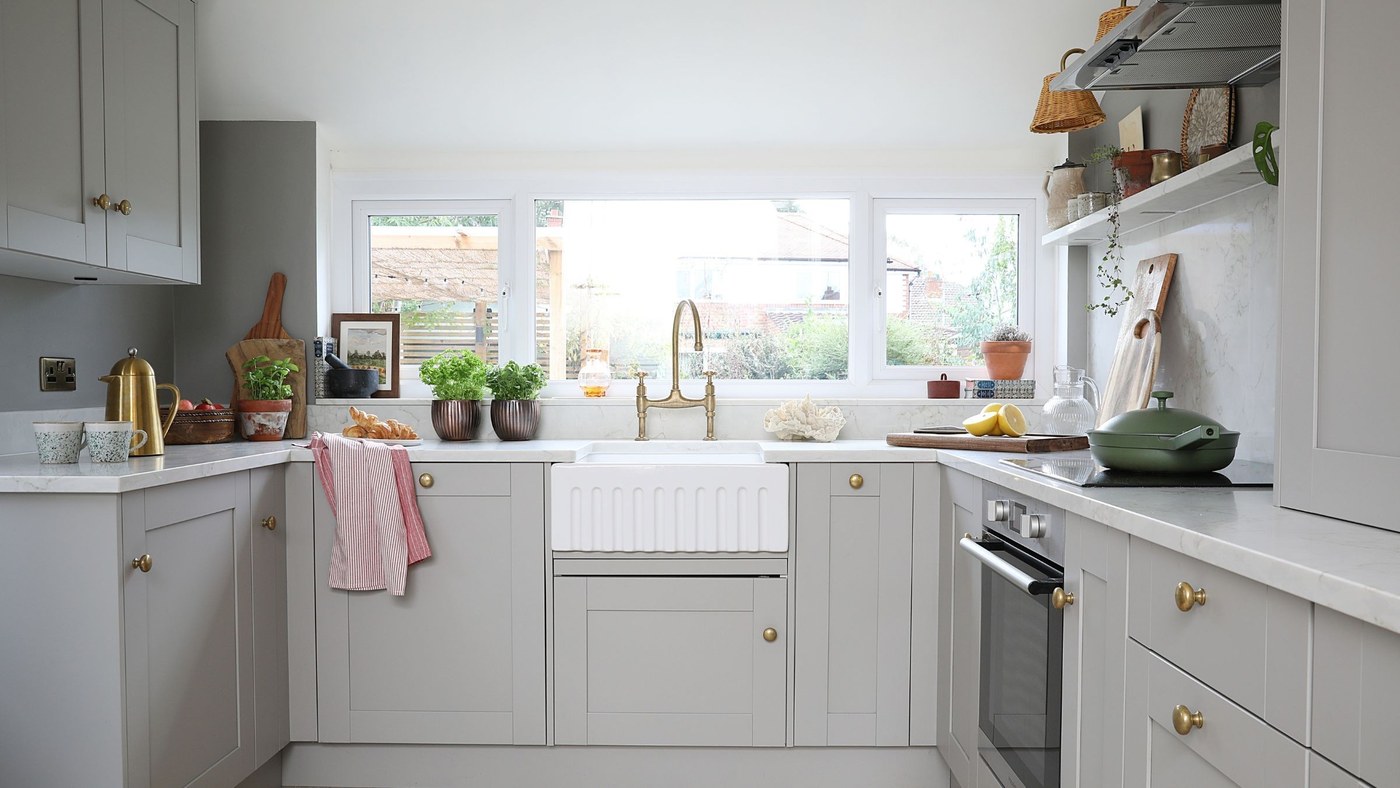
Portable storage can simplify the routine without replacing secure household storage.
READ MORE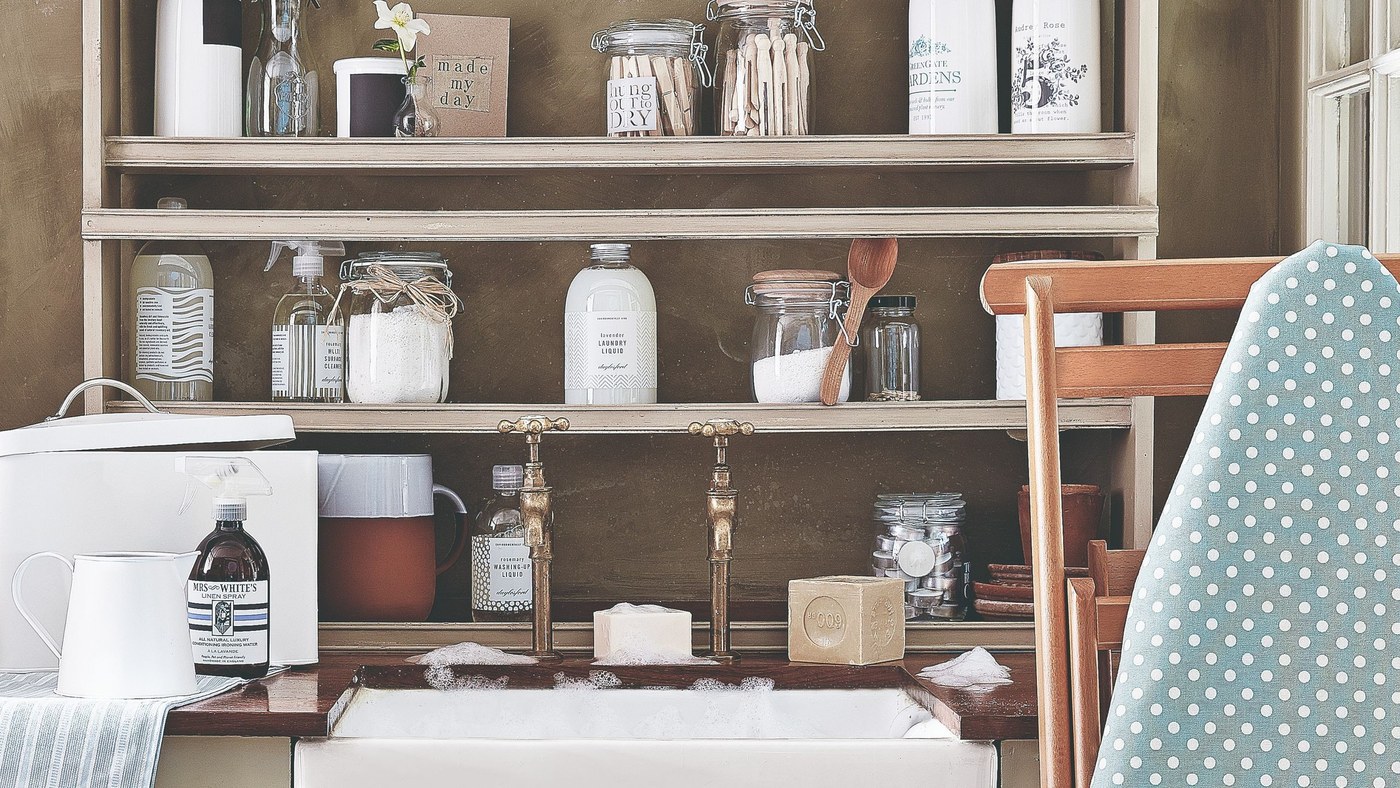
Combining household formulas can create hazardous reactions rather than stronger cleaning power.
READ MORE
Stable access and suitable protective gear belong in the task plan from the beginning.
READ MORE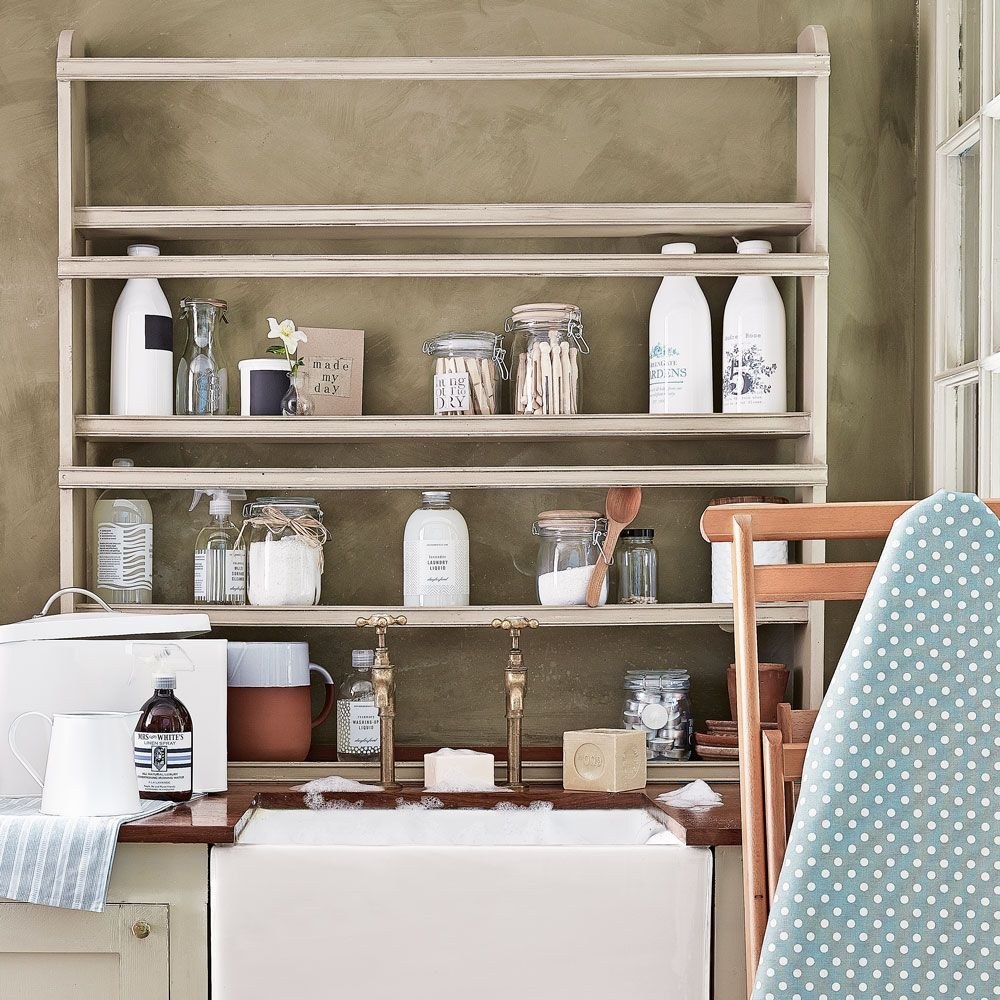
Fresh airflow and correct product use help reduce avoidable exposure to cleaning fumes.
READ MORE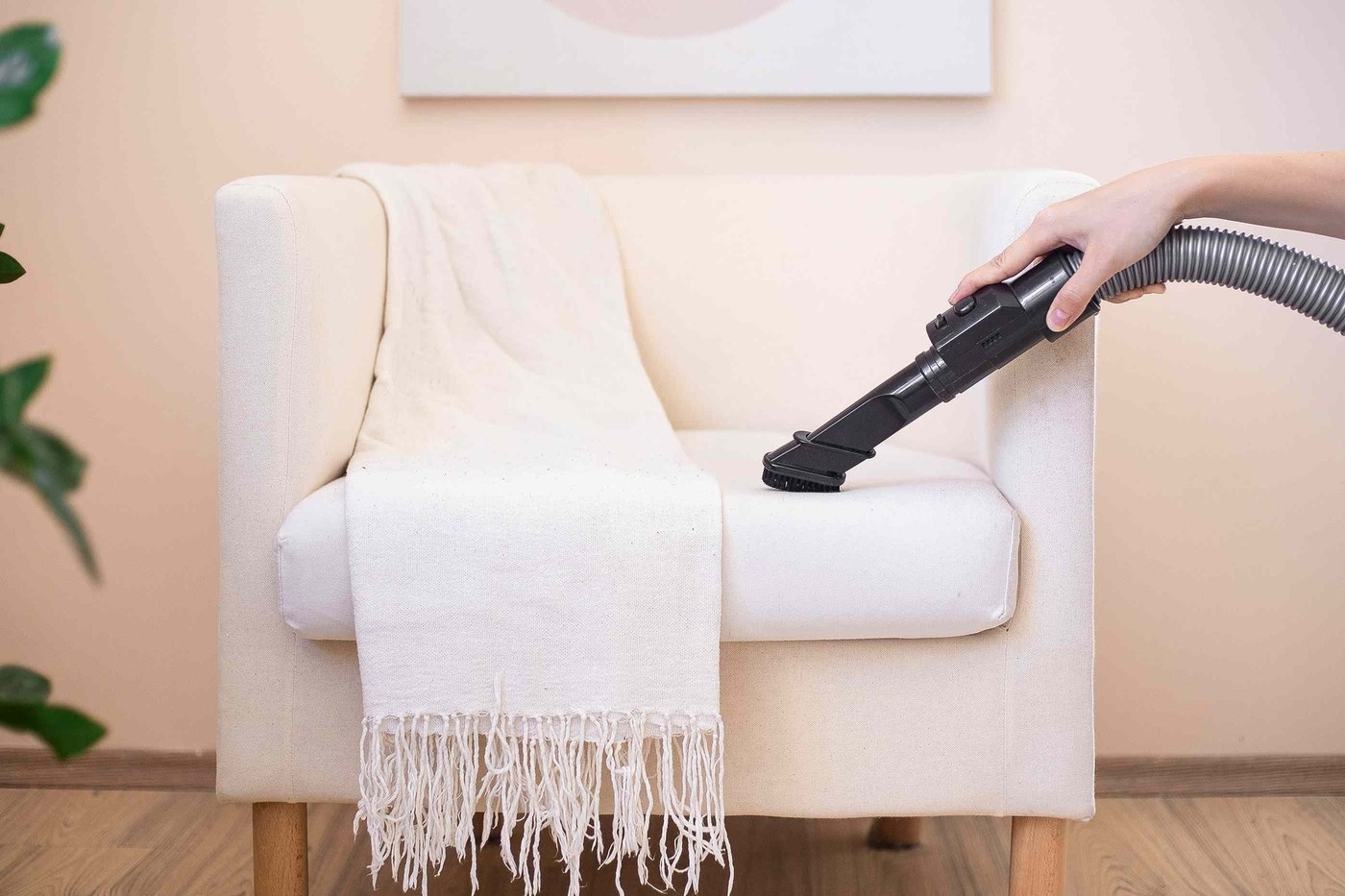
The Spruce's chair-cleaning guide separates W, S, W-S and X upholstery codes. A spot test is a limited compatibility check after the label and material permit the proposed method.
READ MORE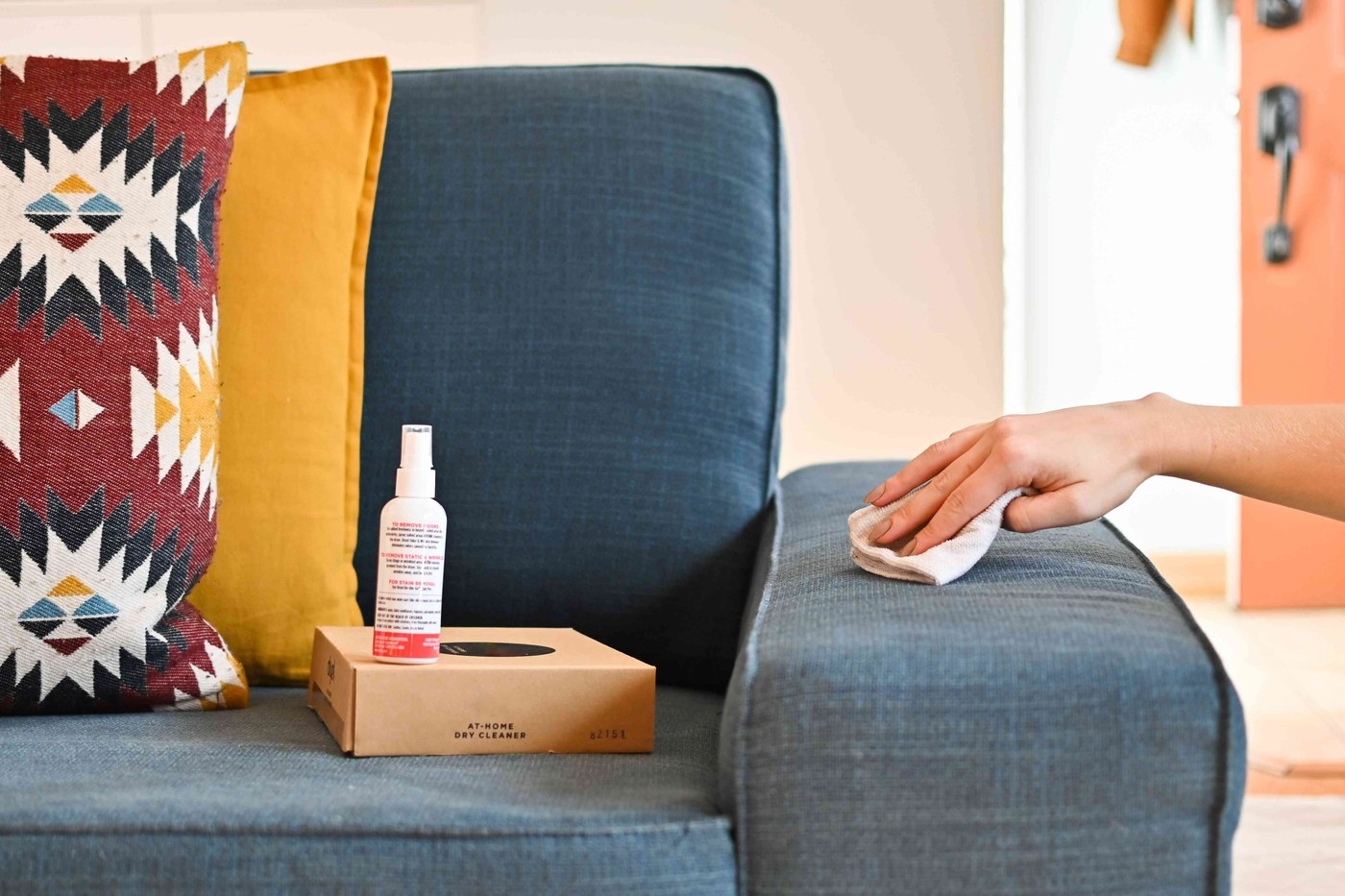
The Spruce explains that upholstery labels distinguish water-compatible fabrics, solvent-only materials, products allowing either method and X-code upholstery requiring vacuuming or professional care. A spot test is a limited compatibility check after the label and material permit the proposed method.
READ MORE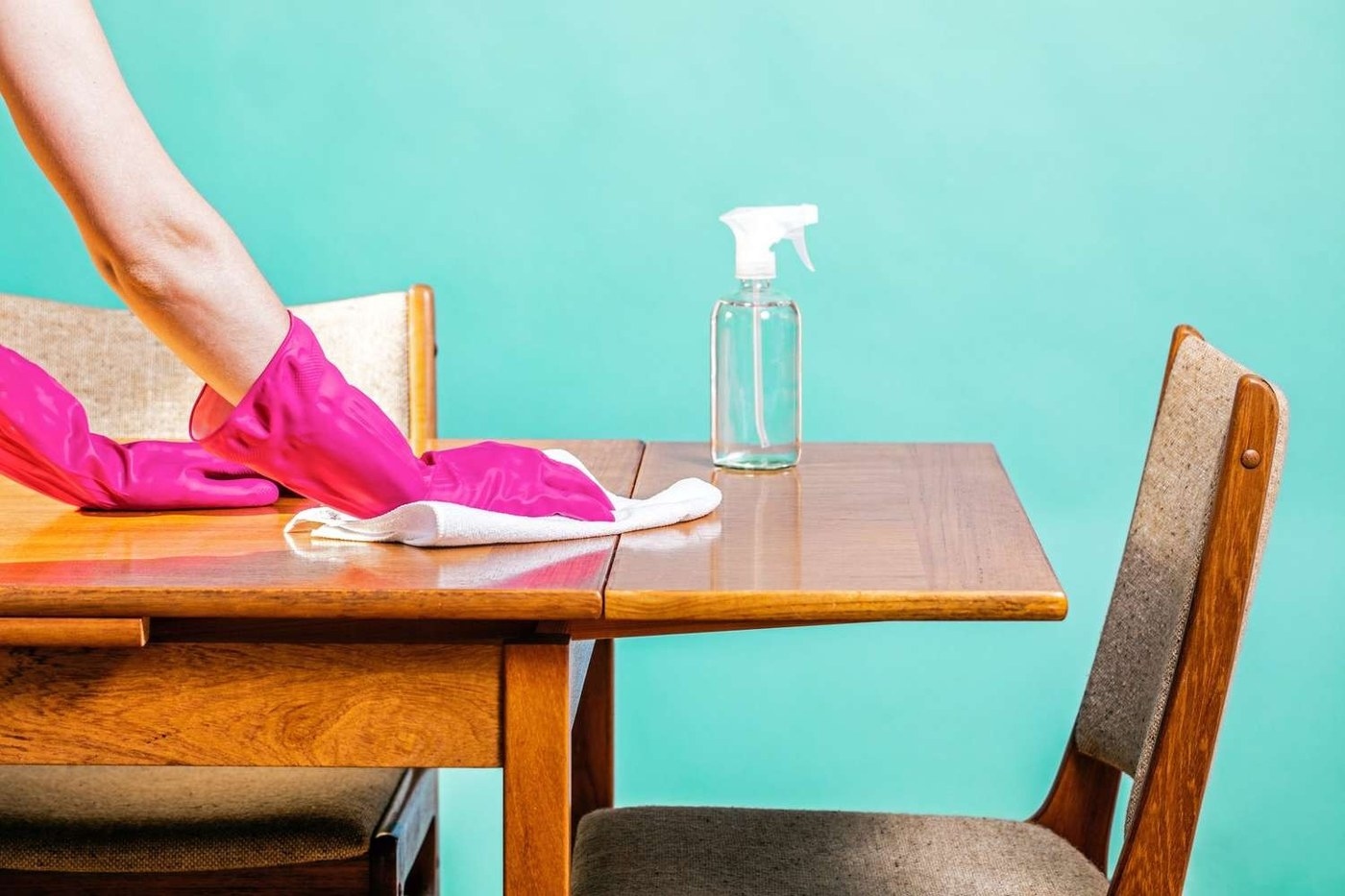
Real Simple explains that wood species, stain and protective finish vary, so a cleaner should first be tried on an inconspicuous area. A spot test is a limited compatibility check after the label and material permit the proposed method.
READ MORE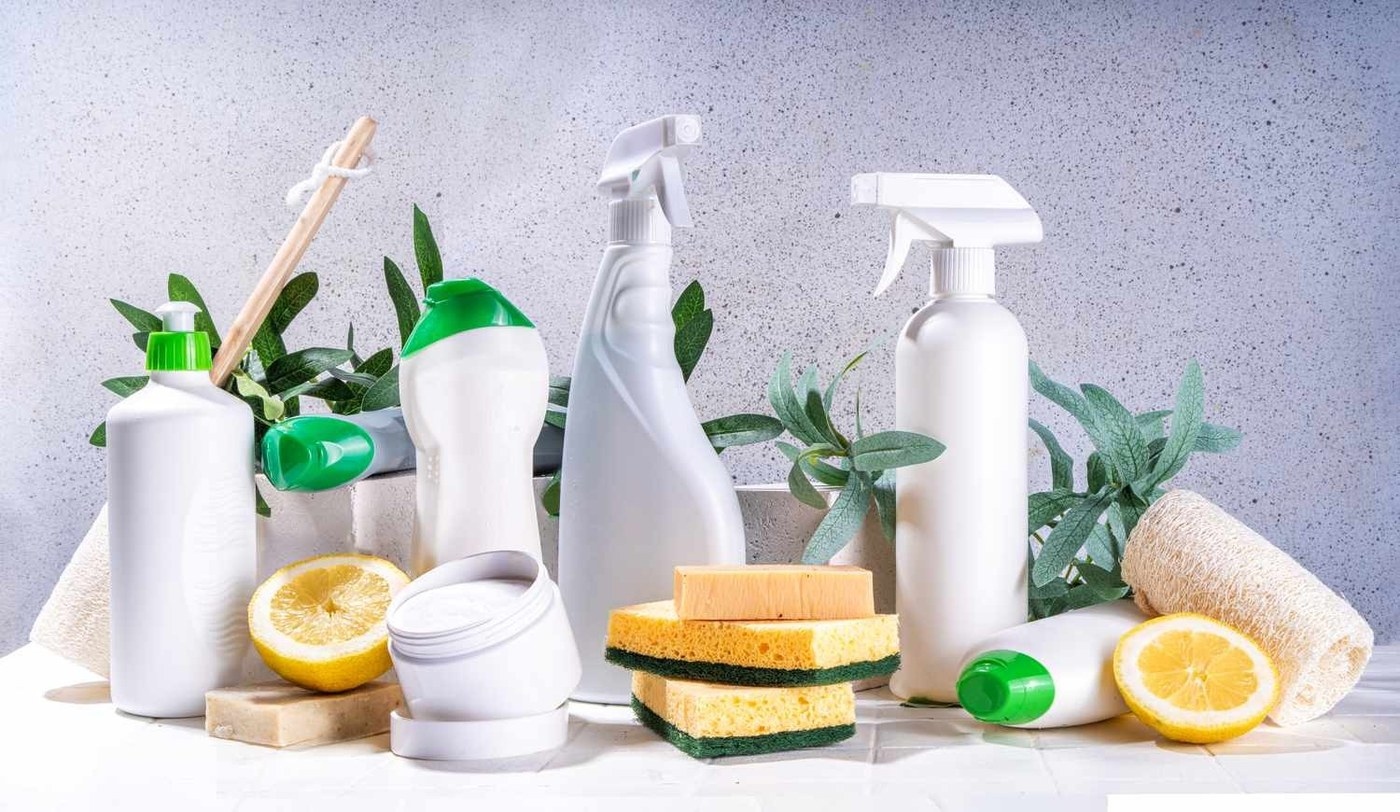
Real Simple warns that mixing cleaning products can create harmful reactions, including dangerous fumes. Use a product's labeled method instead of trying to improve it by mixing another formula.
READ MORE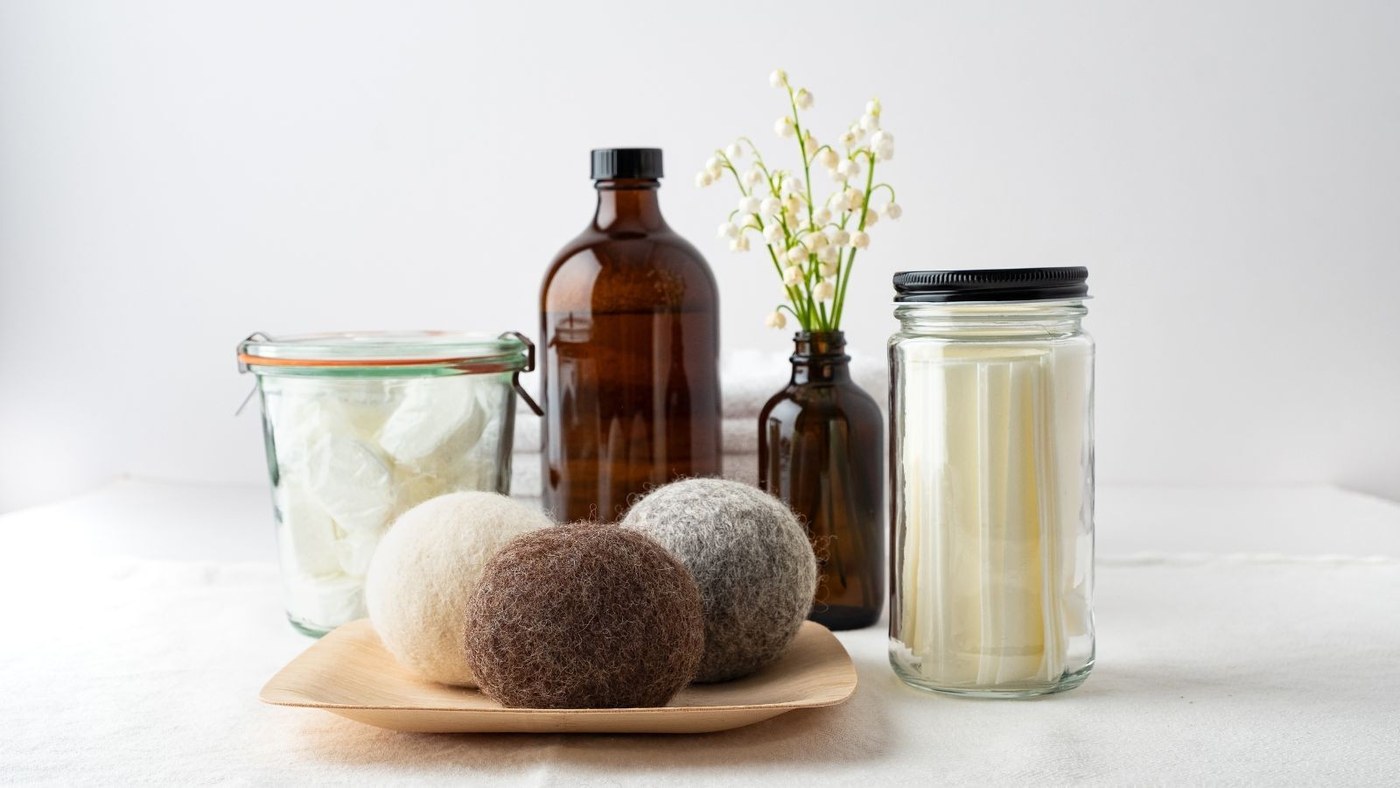
Brief dusting and dishwasher tasks can become useful maintenance moments when they fit safely around existing routines.
READ MORE
The 20/10 method provides a work-and-break pattern that can be shortened to suit available energy.
READ MORE
