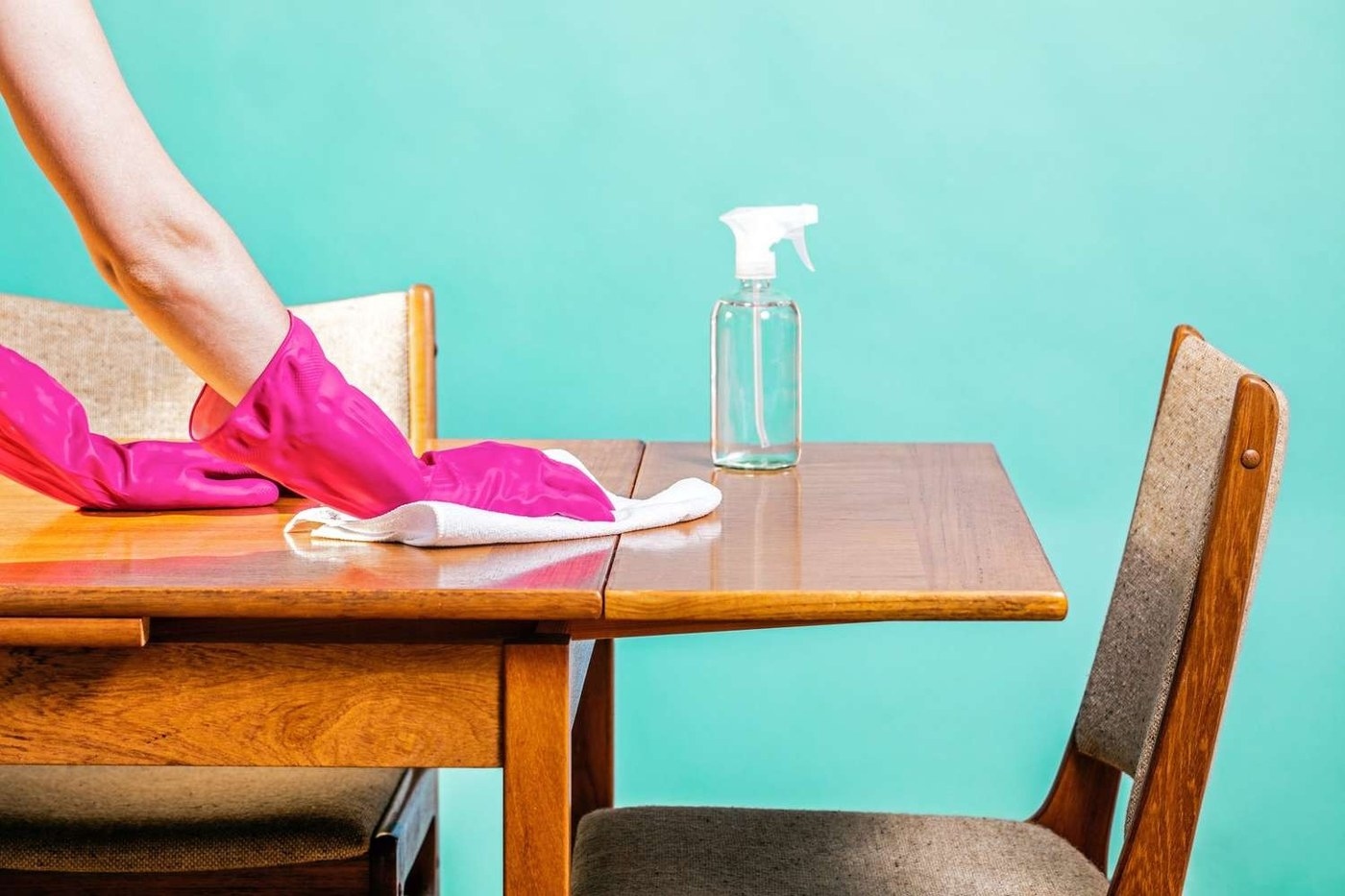
Spot test a suitable cleaning method first
A spot test is a limited compatibility check after the label and material permit the proposed method. Choose a discreet area and inspect the response before treating a visible section. Testing does not override an upholstery code, a finish restriction or a product warning, and uncertainty may call for professional advice.
Begin with the mildest suitable method
Real Simple explains that wood species, stain and protective finish vary, so a cleaner should first be tried on an inconspicuous area. Its dish-soap example uses a small hidden section to check that the finish is not removed. A successful test on one piece does not establish compatibility with all wooden furniture.
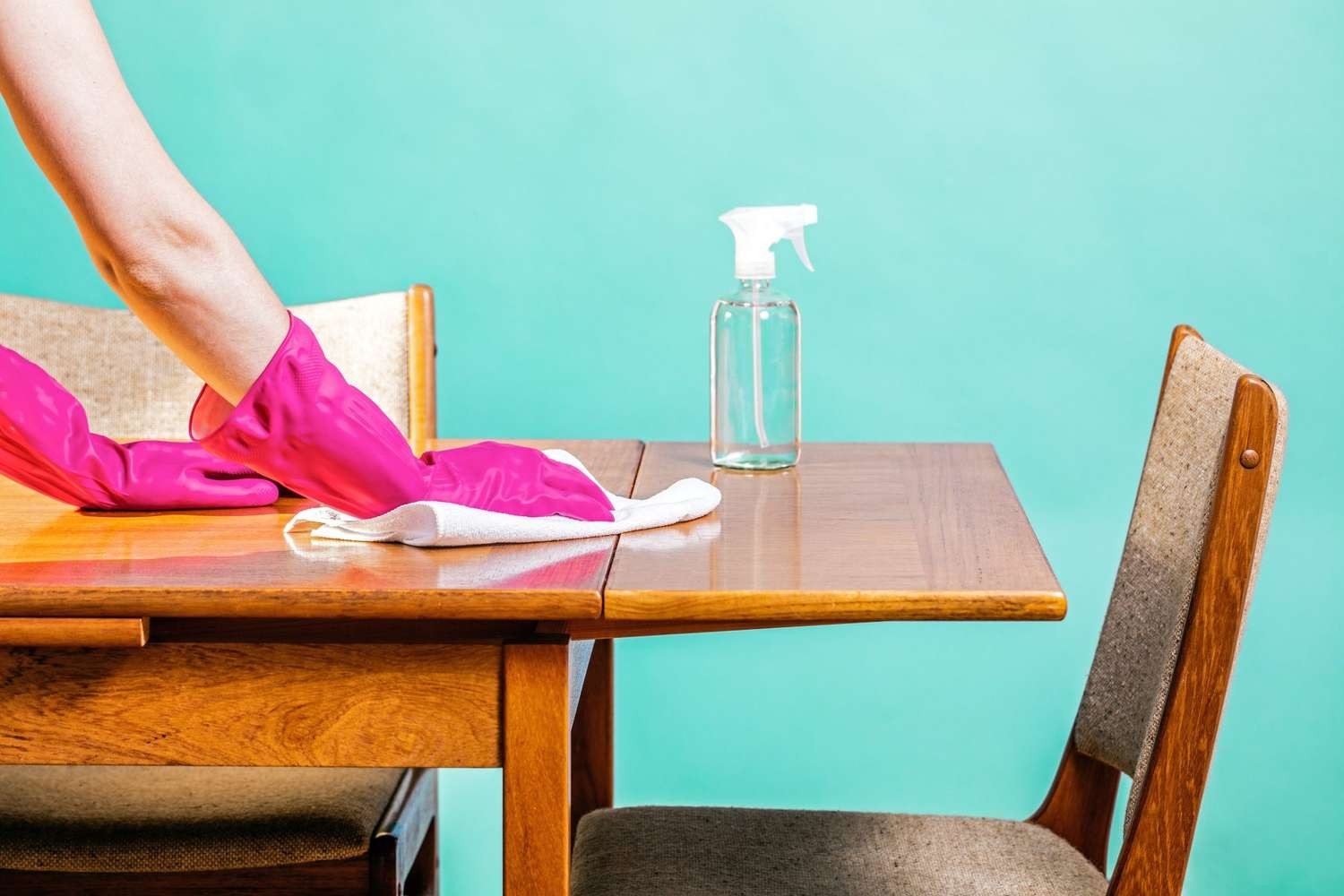
Keep moisture controlled
The guide distinguishes sealed and unfinished wood and warns against saturation. Use only the moisture appropriate to the piece and dry promptly so water does not sit on the surface. If the finish or cleaning method is uncertain, seek the maker's or a furniture professional's advice instead of escalating immediately to a stronger solvent or treating an entire visible tabletop.
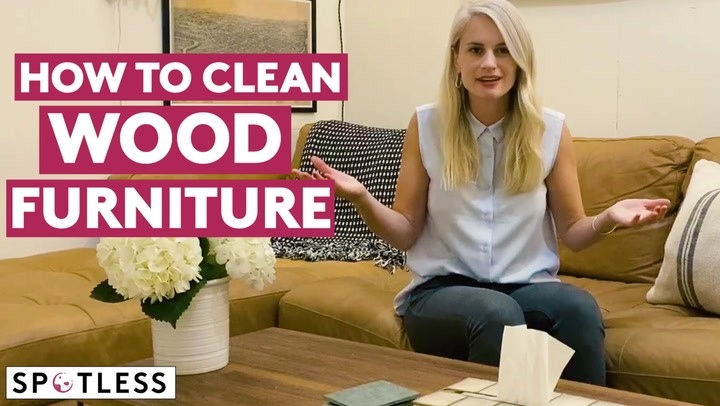
Real Simple explains that wood species, stain and protective finish vary, so a cleaner should first be tried on an inconspicuous area. A spot test is a limited compatibility check after the label and material permit the proposed method.


Leave a Comment
Comments (0)