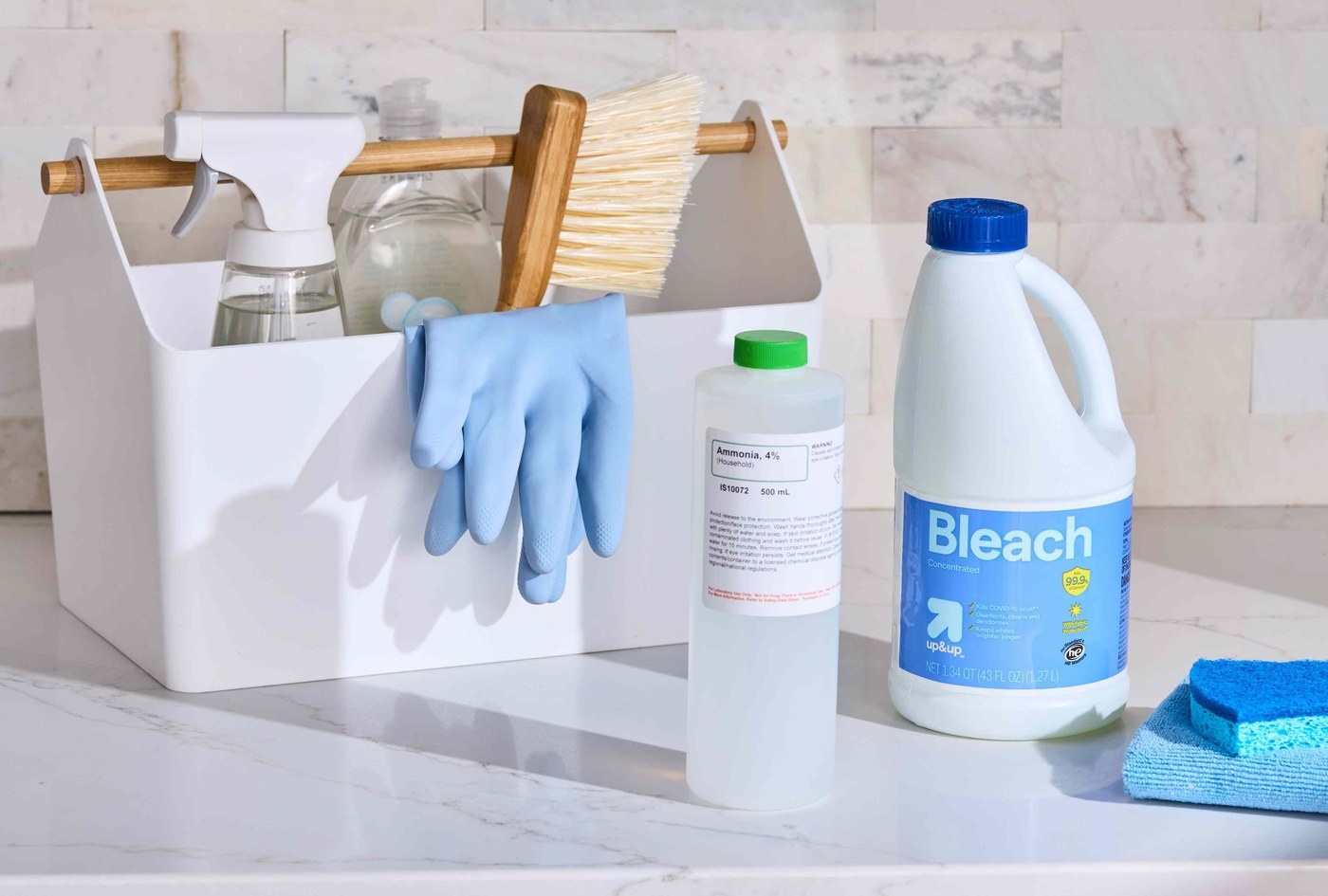
Keep incompatible cleaning products apart
Use a product's labeled method instead of trying to improve it by mixing another formula. Ingredients can already be present inside a commercial cleaner, making brand names or familiar smells unreliable guides to compatibility. Ventilation and gloves do not make an unsafe mixture acceptable; prevention starts with keeping incompatible products separate.
Do not combine bleach with another formula
The Spruce explains that bleach and ammonia can produce chloramine gases that irritate the eyes and airways and can cause serious injury. Ammonia may already be present in a glass, bathroom or other commercial cleaner, so avoiding only a bottle labeled plain ammonia is not enough.
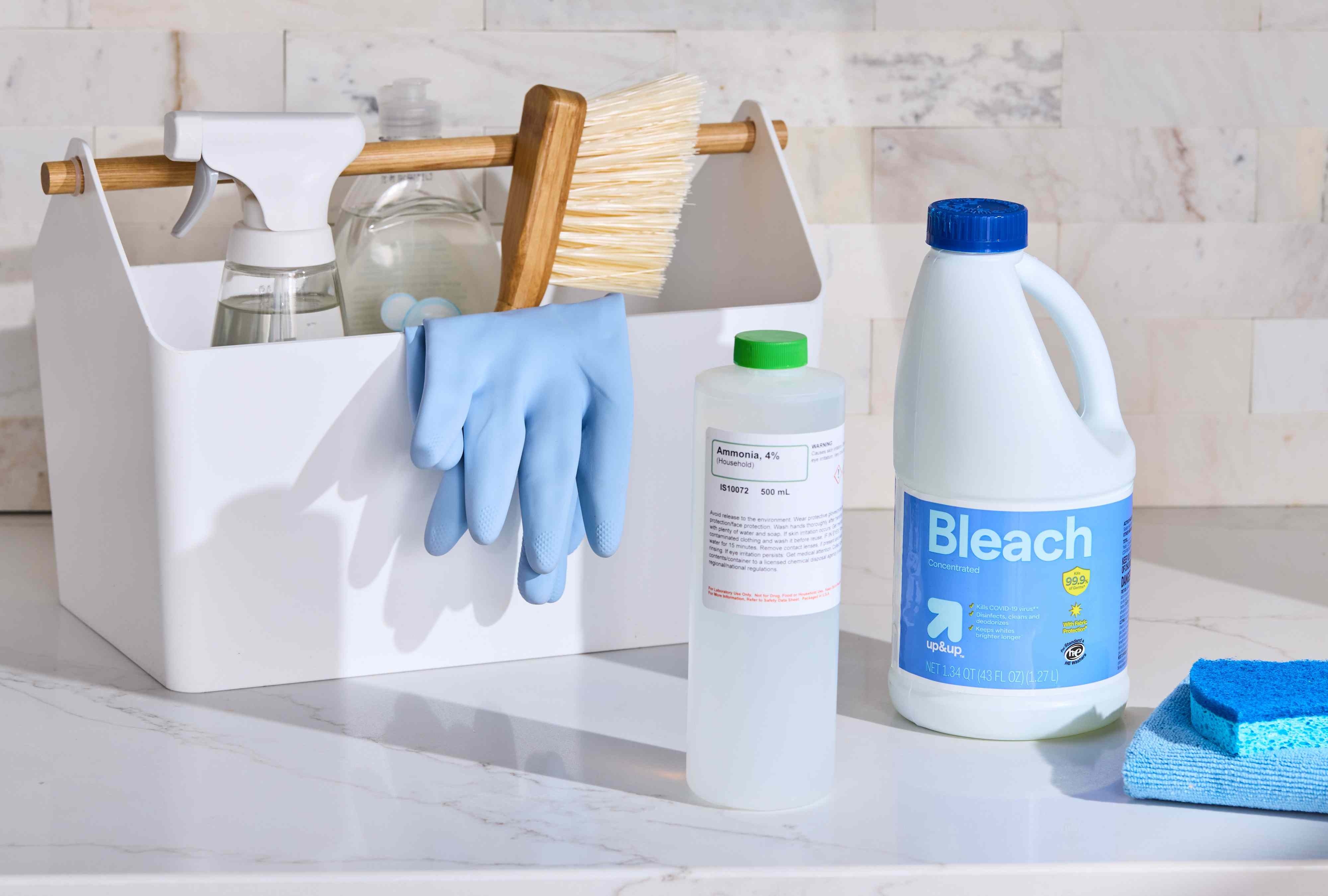
Check warnings before changing methods
The guide advises reading product safety information and avoiding mixtures rather than guessing whether ingredients are compatible. It also warns against putting cleaners into containers that could be mistaken for drinks. Keep products identifiable and use the labeled method. If an incompatible mixture is suspected, stop exposure and obtain appropriate emergency or poison-control advice rather than trying to correct the reaction by adding another household product.
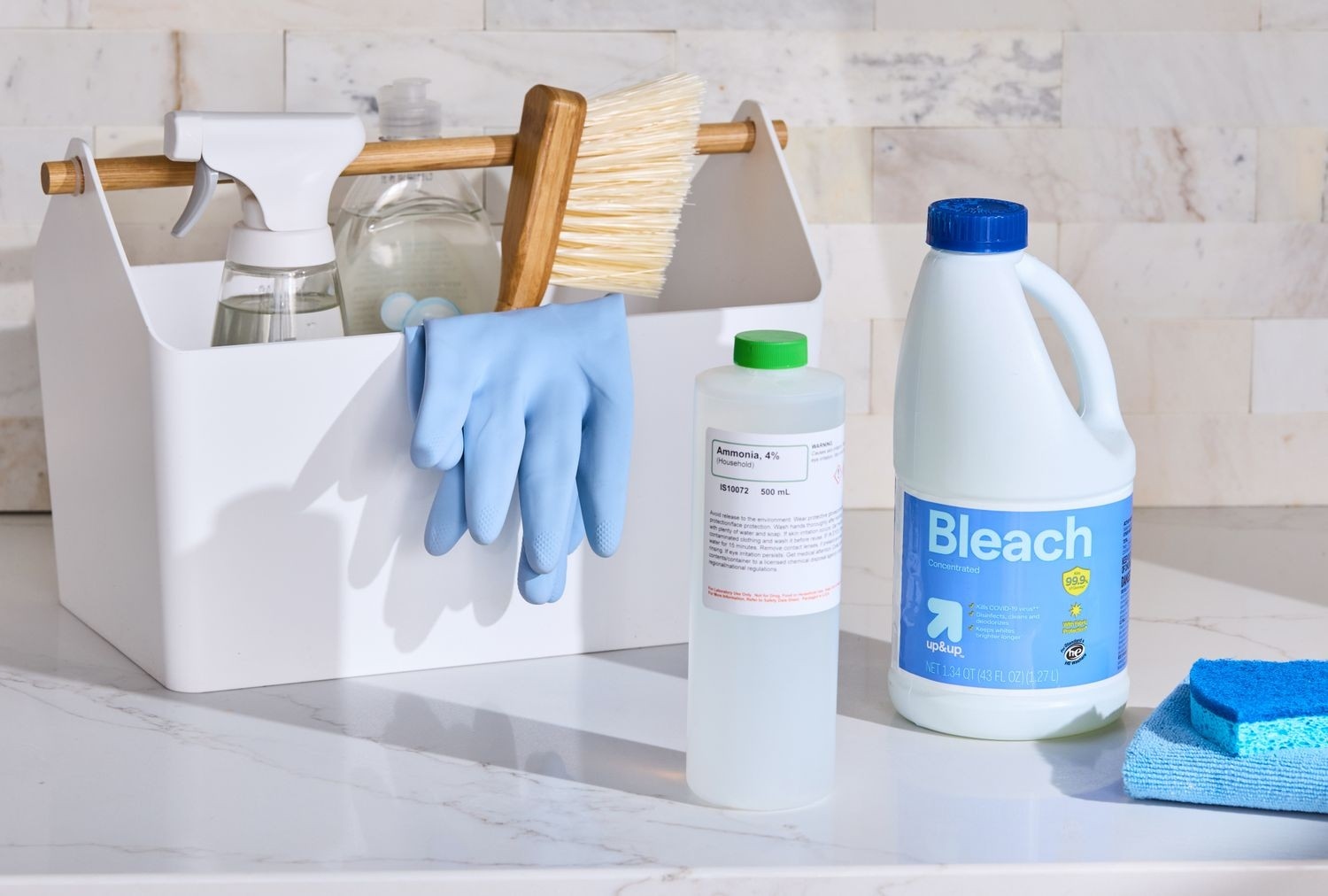
The Spruce explains that bleach and ammonia can produce chloramine gases that irritate the eyes and airways and can cause serious injury. Use a product's labeled method instead of trying to improve it by mixing another formula.


Leave a Comment
Comments (0)