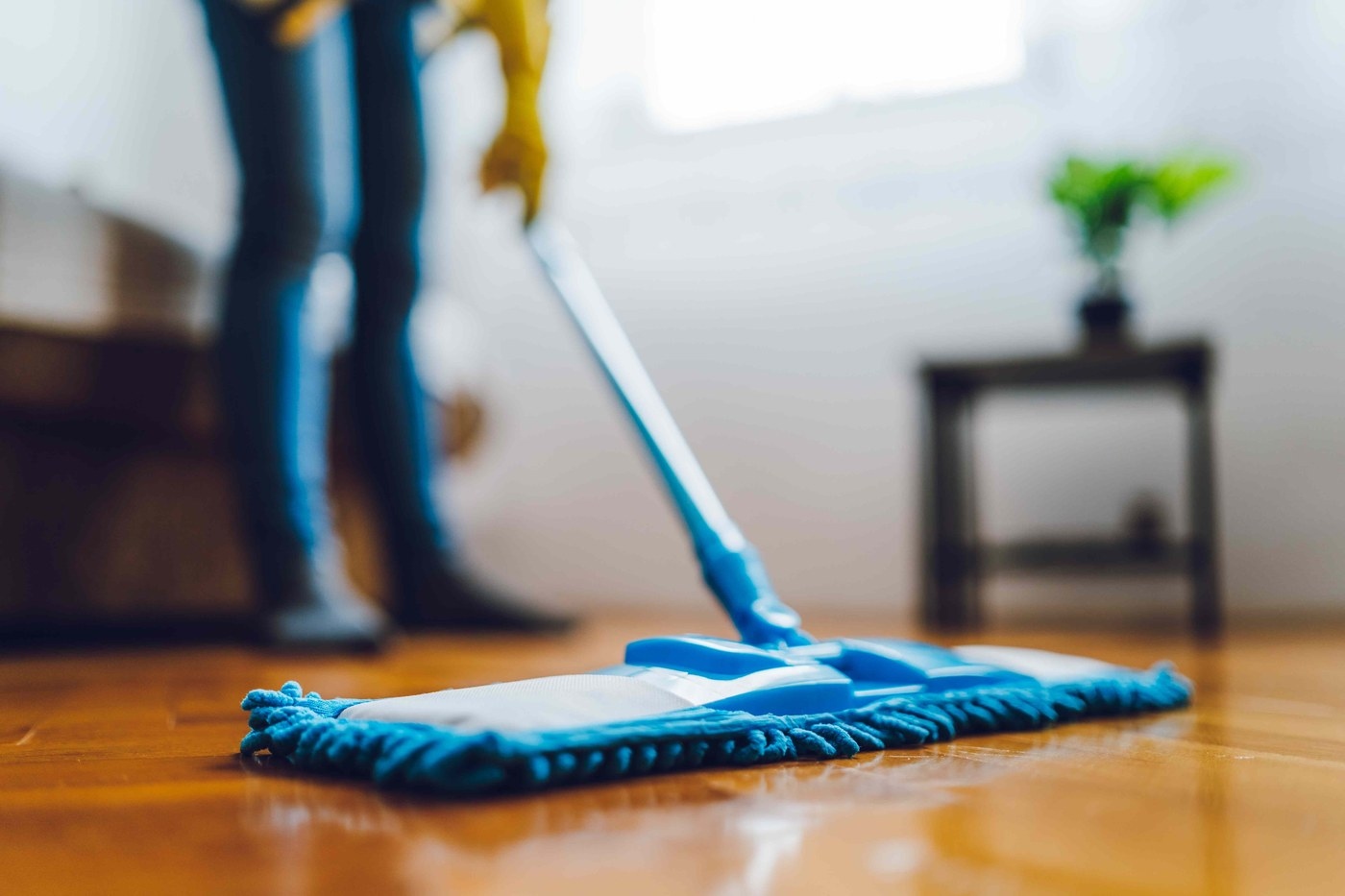
Compare dry wet and steam mops
Choose the cleaning method after identifying the floor material and finish. Dry dust removal, damp mopping and steam are different operations with different limits. Consider reusable-pad care and access around furniture, but let the floor's maintenance instructions decide which moisture and heat exposure is appropriate.
Use the dry tool for loose particles
The Spruce defines a dust mop as a long-handled tool for removing dust and small debris without water. Its broad head can cover hard floors and reach around furniture. Removing gritty particles regularly can reduce scratching and make the next suitable wet-cleaning session easier.
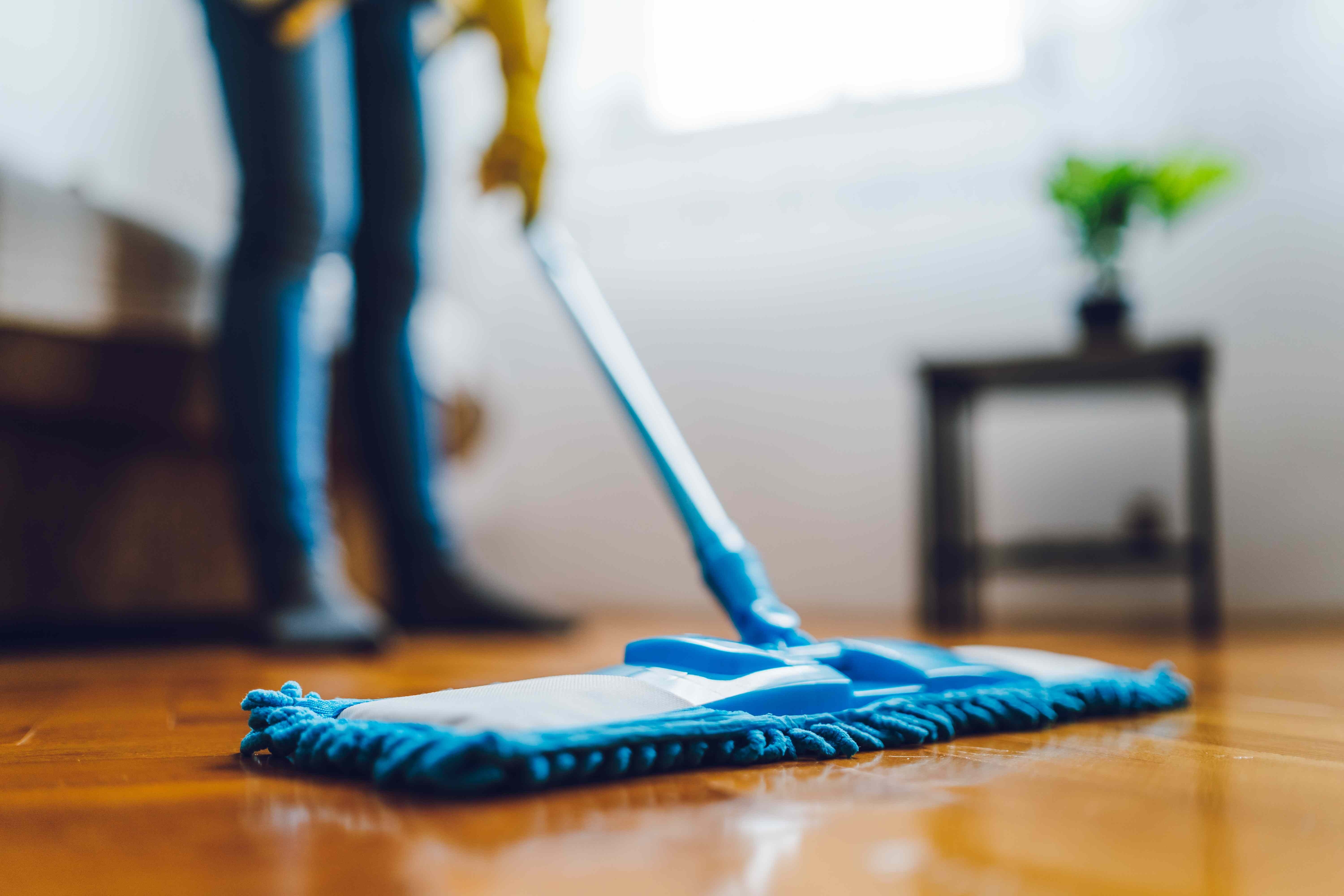
Choose reusable or disposable covers deliberately
The guide describes traditional fiber heads, washable microfiber covers and disposable electrostatic sheets. Each has a different maintenance or replacement requirement. A dry dust mop is not automatically intended for wet use, so check the product instructions before adding water or cleaning solution. Keep the cover clean enough to collect soil rather than redistributing the dust from the previous room.
The Spruce defines a dust mop as a long-handled tool for removing dust and small debris without water. Choose the cleaning method after identifying the floor material and finish.


Leave a Comment
Comments (0)