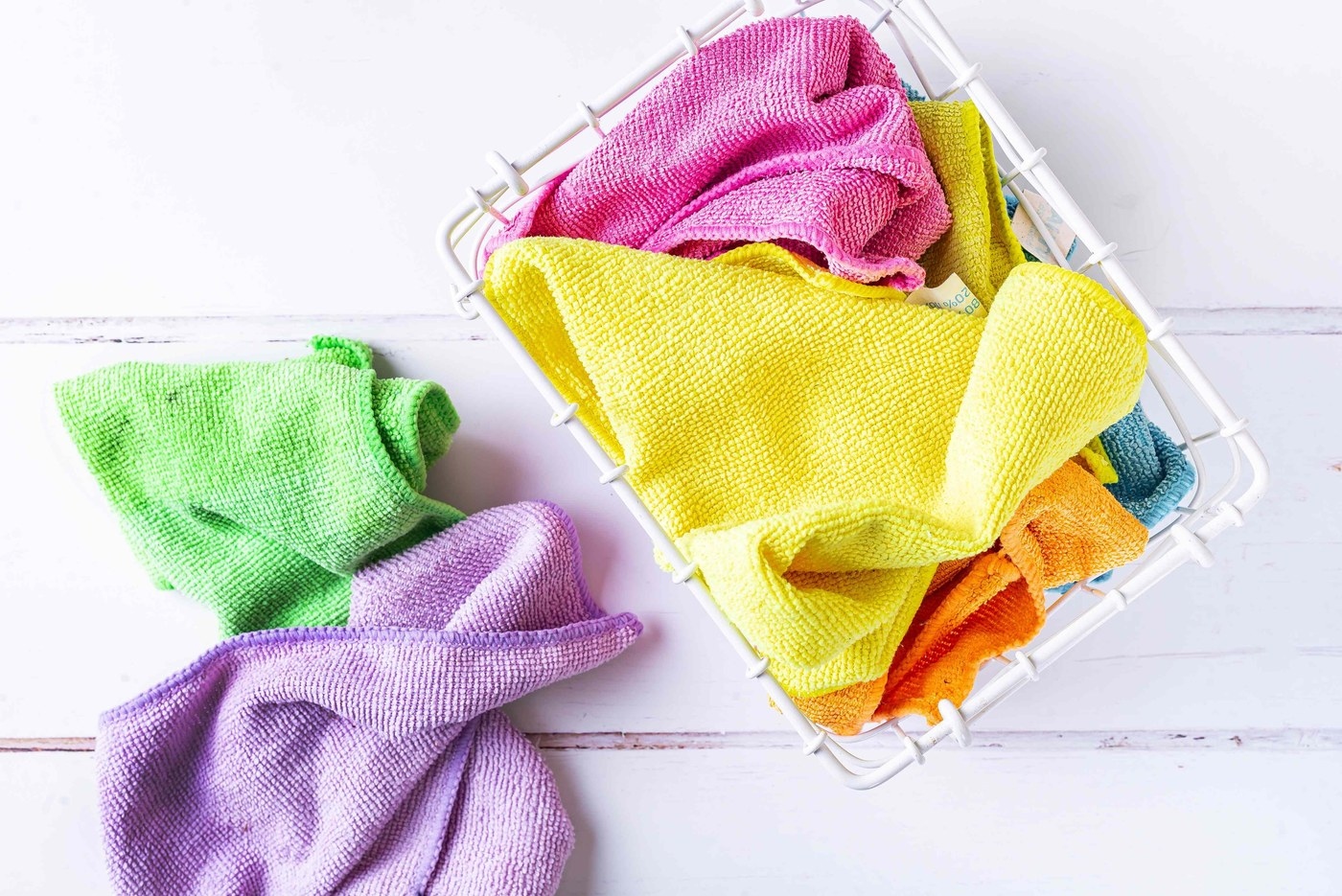
Wash microfiber cloths without losing performance
A cloth that traps fine dust also needs a laundering routine that removes the trapped material. Separate it from lint-shedding items, check its care label and avoid treatments that leave unwanted coatings. Cleaning and complete drying are part of using microfiber, rather than optional steps after several unrelated household jobs.
Choose a gentle separate load
The Spruce recommends washing microfiber separately from other laundry, using cold water for lighter soil and warm water for dirtier cloths. A gentle cycle and a modest amount of fragrance-free, additive-free detergent help limit residue. Read the individual care label, since an item made from microfiber may have additional handling requirements.
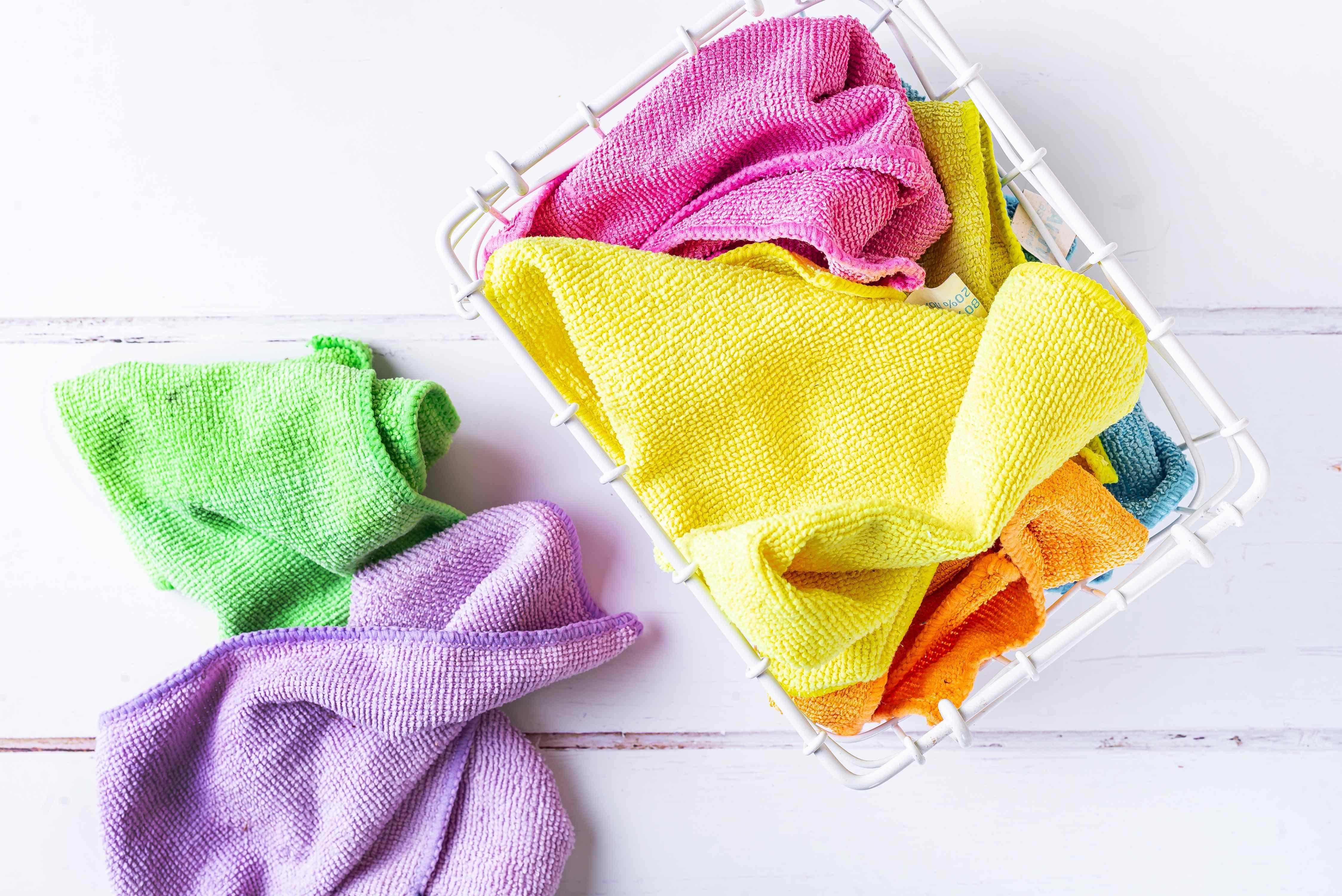
Store only after thorough drying
The guide emphasizes correct drying and storage so clean cloths do not immediately attract dust and lint. Avoid hot water and high dryer heat that can damage the fibers. A lightly used dusting cloth and a wet, heavily soiled cleaning cloth do not need identical handling, but neither should be left damp in a pile before the next use.
The Spruce recommends washing microfiber separately from other laundry, using cold water for lighter soil and warm water for dirtier cloths. A cloth that traps fine dust also needs a laundering routine that removes the trapped material.


Leave a Comment
Comments (0)