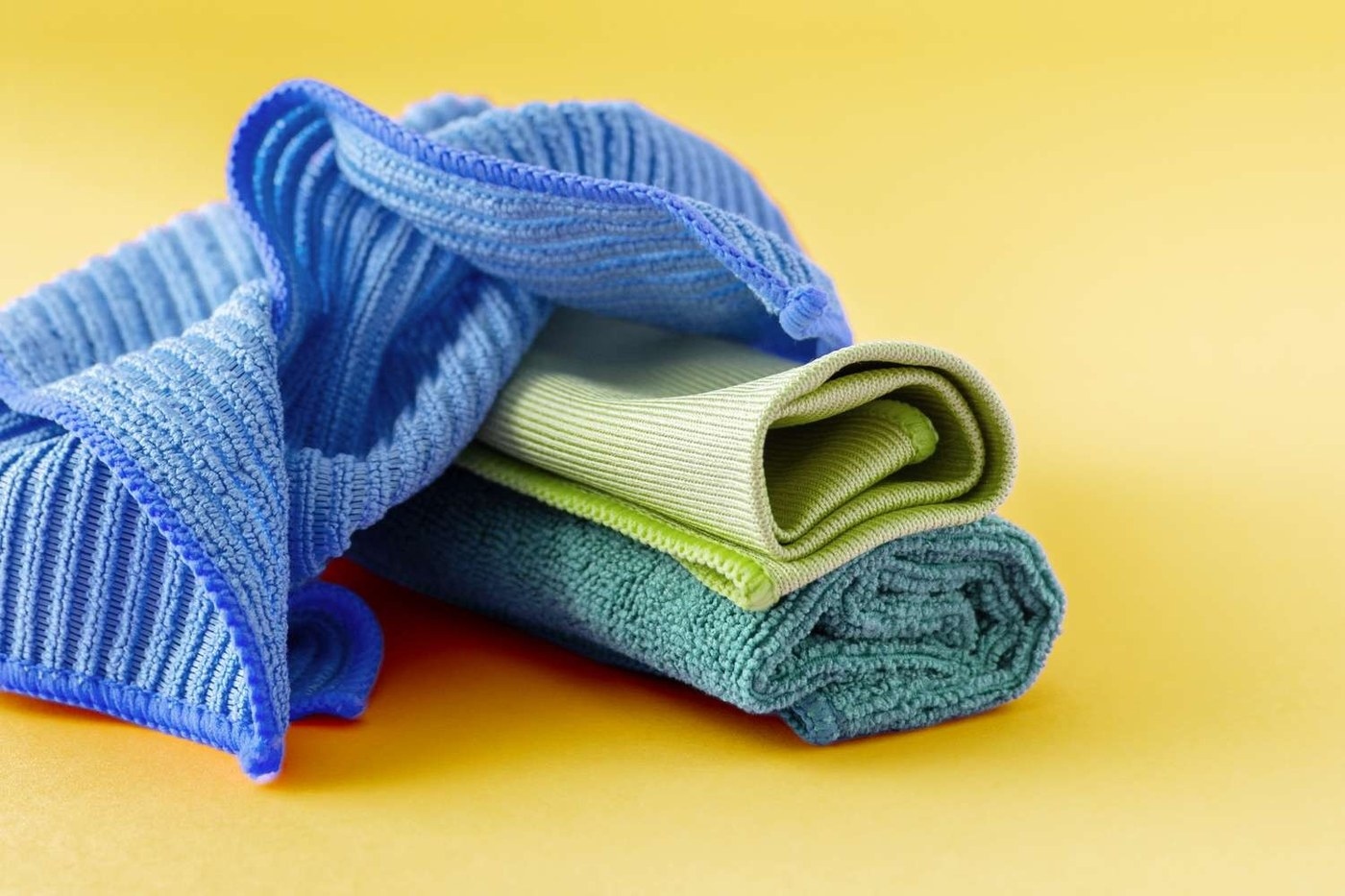
Wash microfiber cloths without losing performance
A cloth that traps fine dust also needs a laundering routine that removes the trapped material. Separate it from lint-shedding items, check its care label and avoid treatments that leave unwanted coatings. Cleaning and complete drying are part of using microfiber, rather than optional steps after several unrelated household jobs.
Separate the cloths before washing
Real Simple explains that microfiber attracts small particles, including lint shed by cotton towels. Wash cleaning cloths separately so they do not emerge coated with fibers from another load. Fabric softener can leave a film that reduces absorbency, and chlorine bleach can damage the material rather than improving its cleaning performance.
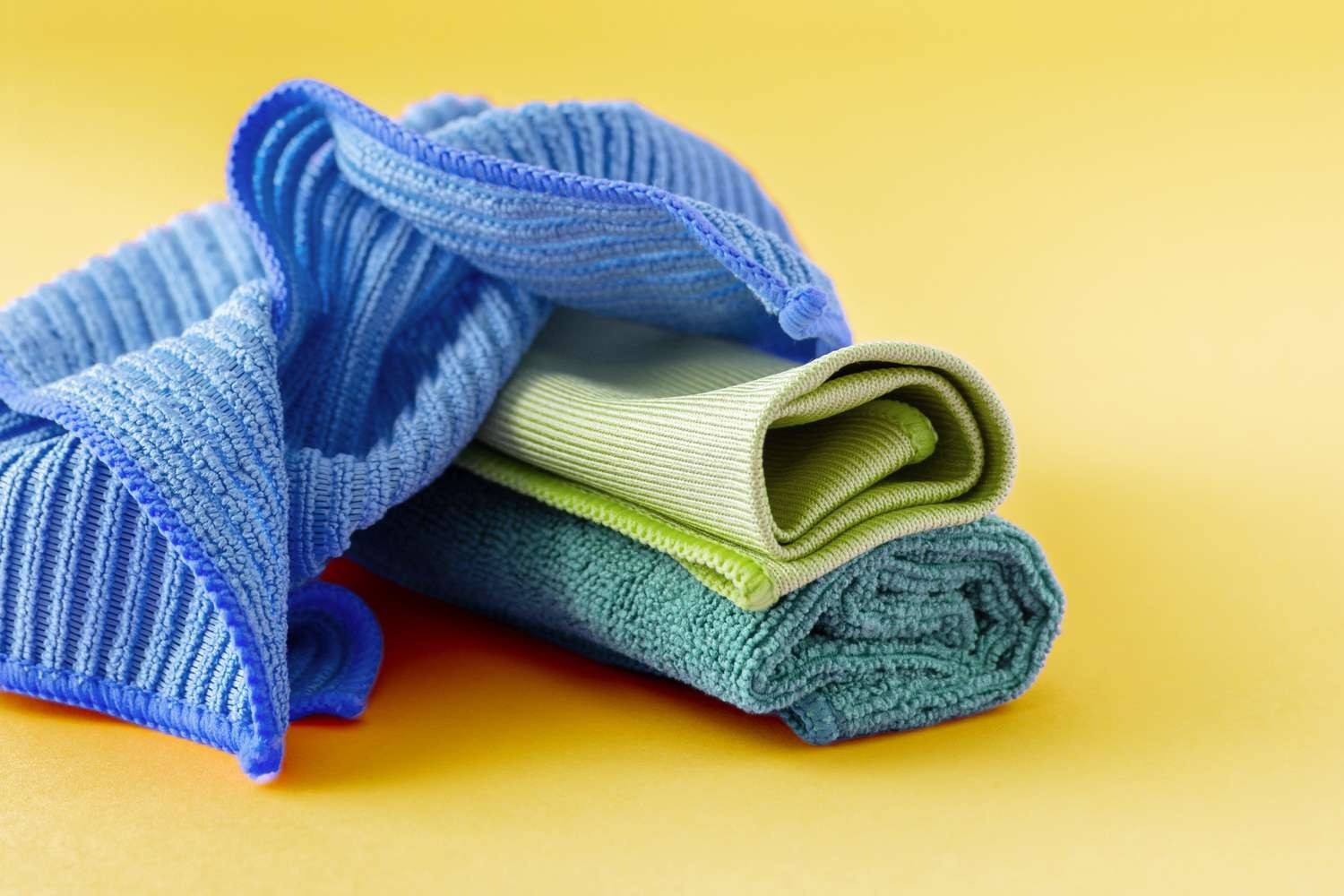
Keep the drying temperature low
The guide recommends low heat or air drying because excessive heat can damage the fine synthetic fibers. Remove trapped grit before reusing a cloth on another surface, and wash dirty cleaning cloths promptly. These measures preserve the cloth's ability to collect soil; a reusable cleaning tool still needs regular laundering and complete drying between jobs.

Real Simple explains that microfiber attracts small particles, including lint shed by cotton towels. A cloth that traps fine dust also needs a laundering routine that removes the trapped material.


Leave a Comment
Comments (0)