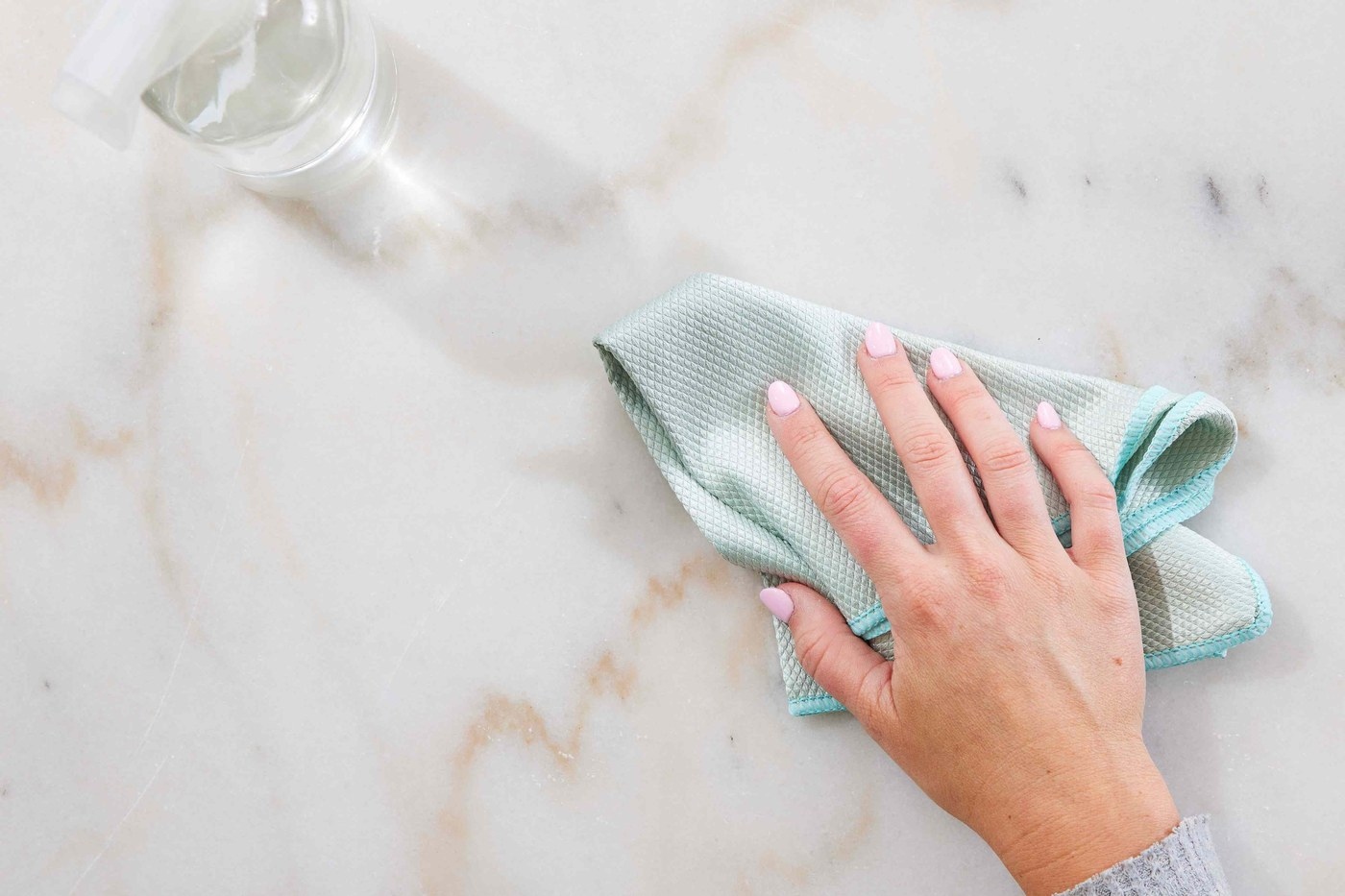
Wash microfiber cloths without losing performance
A cloth that traps fine dust also needs a laundering routine that removes the trapped material. Separate it from lint-shedding items, check its care label and avoid treatments that leave unwanted coatings. Cleaning and complete drying are part of using microfiber, rather than optional steps after several unrelated household jobs.
Shake out loose dust first
Better Homes and Gardens advises releasing loose dust and lint outdoors before washing microfiber cloths. The fabric's many fine synthetic fibers hold dirt and grease effectively, but those retained particles must be removed before the cloth is used again. Otherwise, the tool can redistribute soil or scratch a different surface.
Match washing to the amount of soil
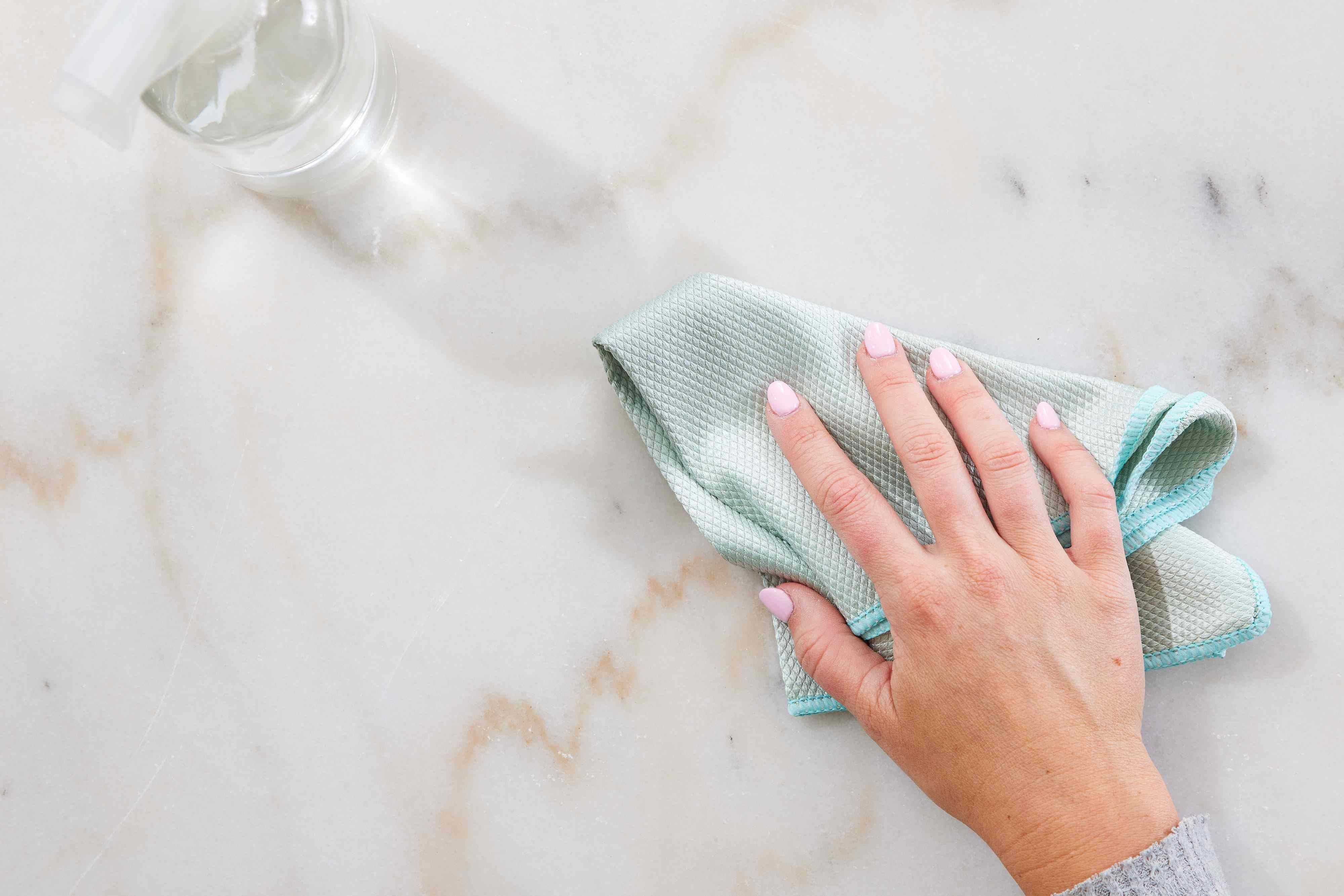
The guide recommends a gentle cold wash for light soil and warmer water for dirtier cloths, subject to the care label. It also describes hand washing in cool water. Regular washing and complete drying prevent odors and preserve the cloth's useful texture. Do not assume a cloth is ready for another delicate surface merely because it still looks reasonably clean.
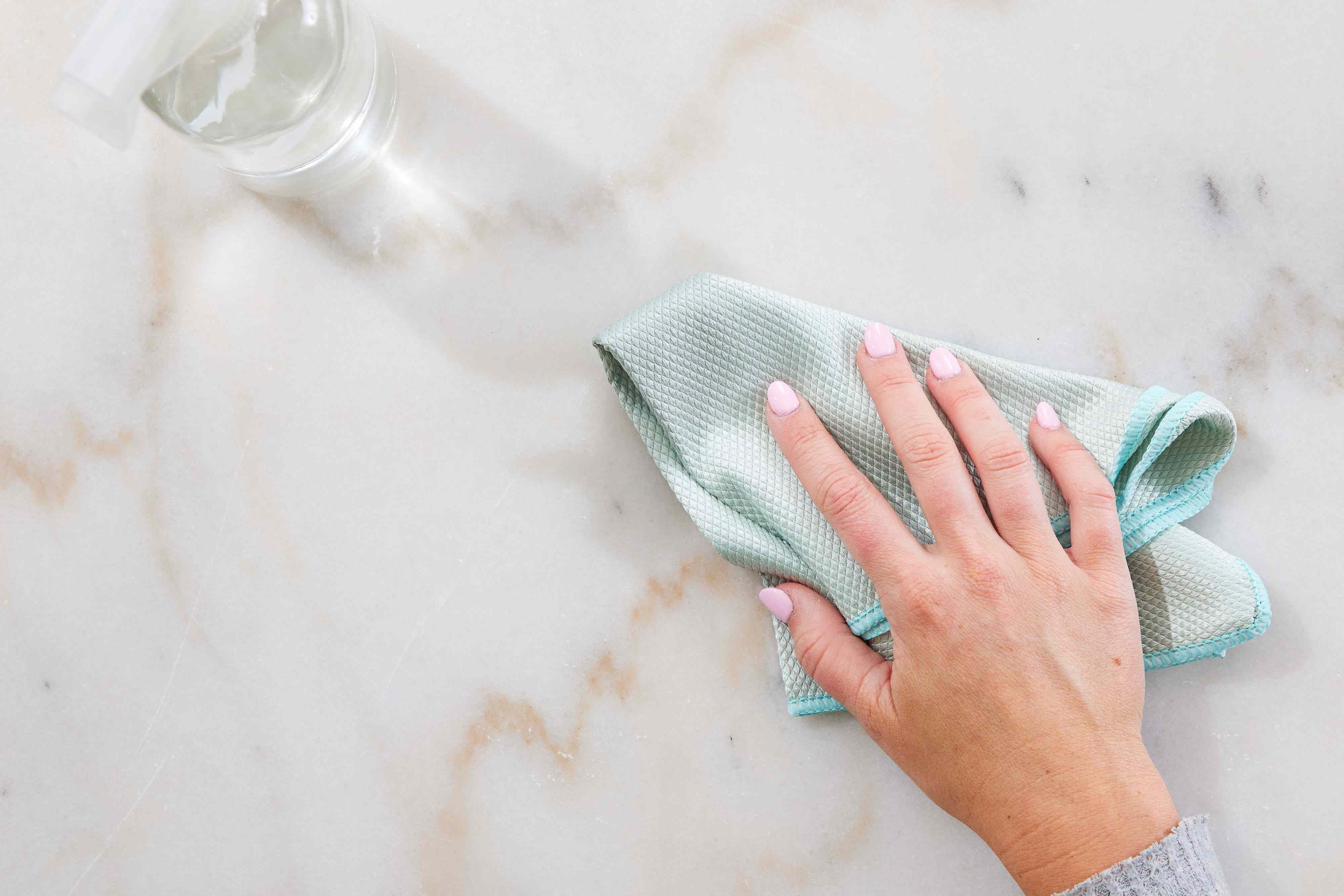
Better Homes and Gardens advises releasing loose dust and lint outdoors before washing microfiber cloths. A cloth that traps fine dust also needs a laundering routine that removes the trapped material.


Leave a Comment
Comments (0)