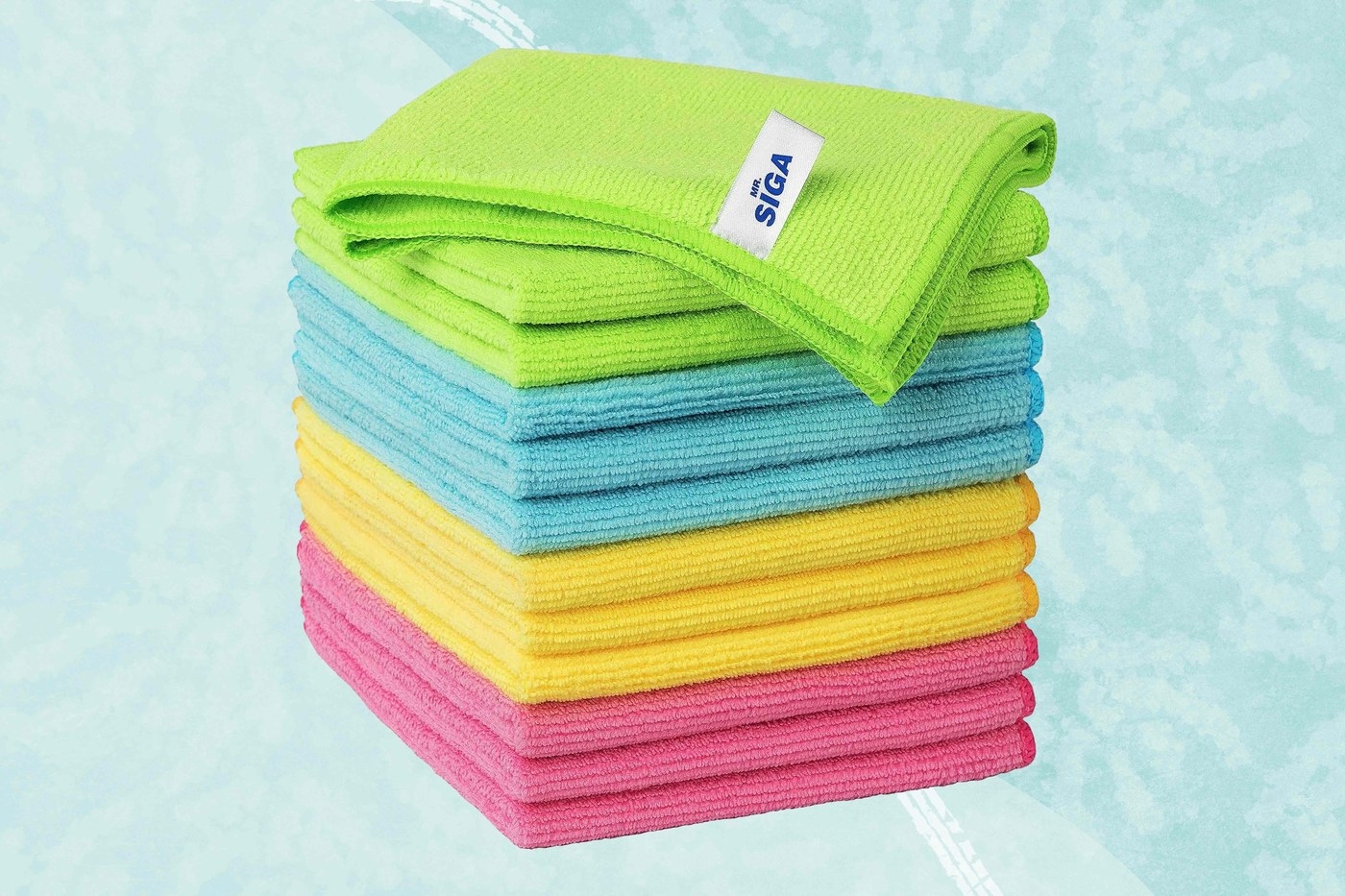
Choose microfiber cloths by their intended task
Microfiber describes fine synthetic fibers rather than one identical cleaning cloth. Compare texture, thickness and the intended surface, then keep cloths for different jobs separate. A smooth polishing cloth and a more textured cleaning pad may need different handling even when both carry the microfiber name.
Look beyond the word microfiber
The Spruce's cloth recommendations distinguish general-purpose cleaning cloths from products intended for glass and other particular jobs. The guide encourages buyers to consider thickness, texture, absorbency and whether the cloth leaves lint or streaks. A thicker cloth suited to scrubbing may behave differently from a smoother cloth used to polish a mirror.
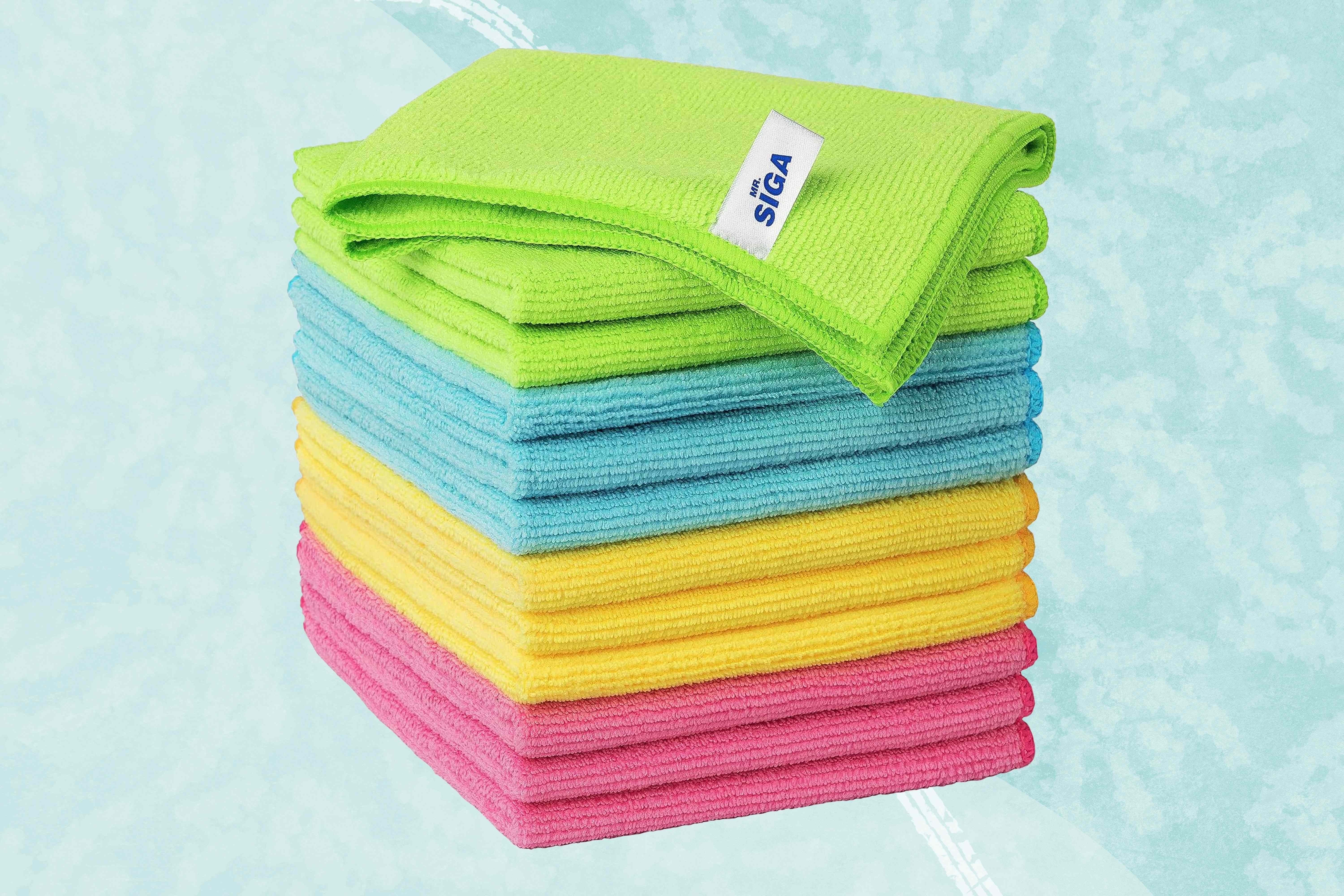
Check the care requirements too
The reviewed products do not all share identical drying instructions; some recommend air drying, while others permit machine drying. Treat those differences as product-specific rather than assuming every cloth tolerates the same heat. Buying several colors can also make task separation easier. Select the cloth for its intended use and maintain it properly instead of judging usefulness only by pack size or price.
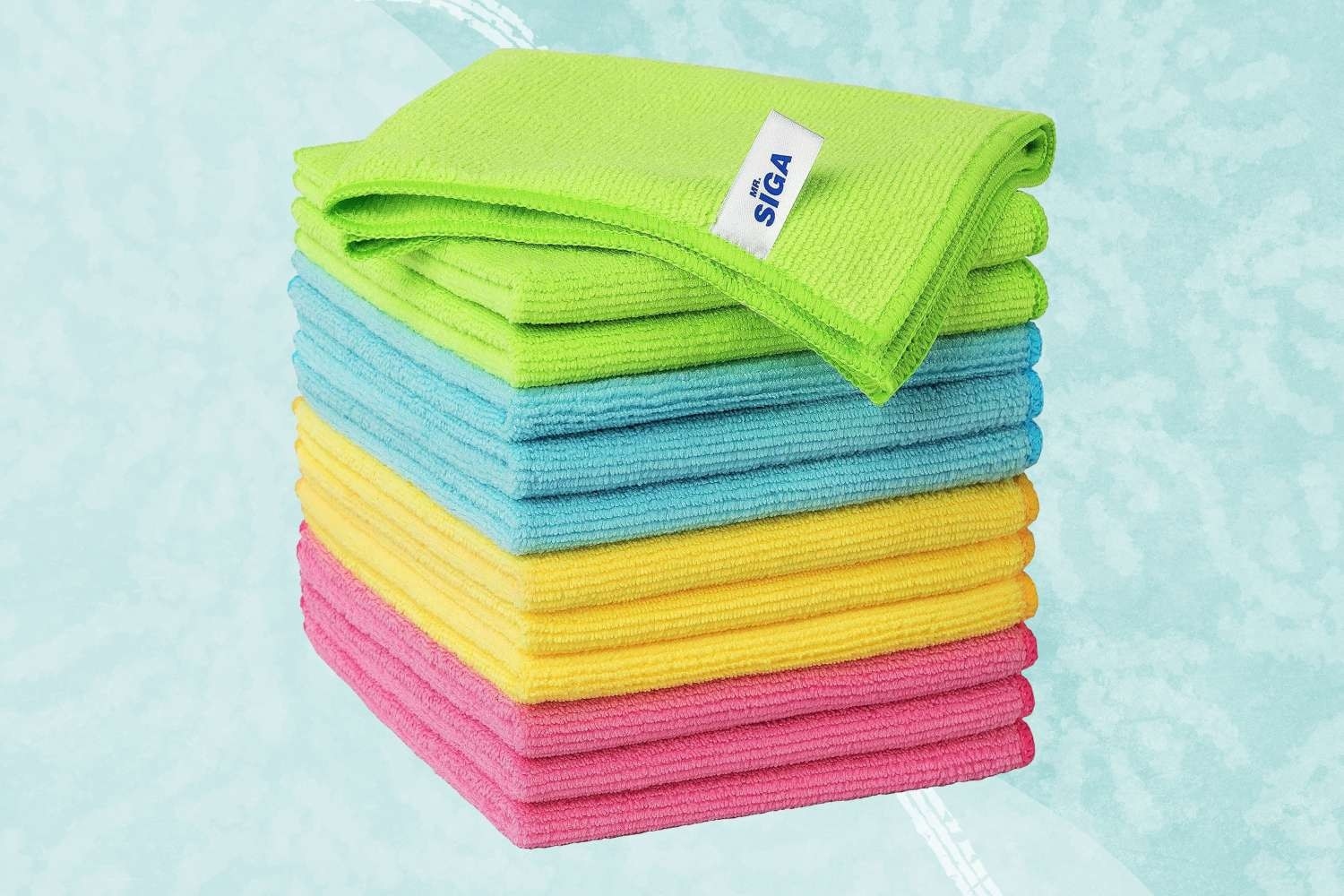
The Spruce's cloth recommendations distinguish general-purpose cleaning cloths from products intended for glass and other particular jobs. Microfiber describes fine synthetic fibers rather than one identical cleaning cloth.


Leave a Comment
Comments (0)