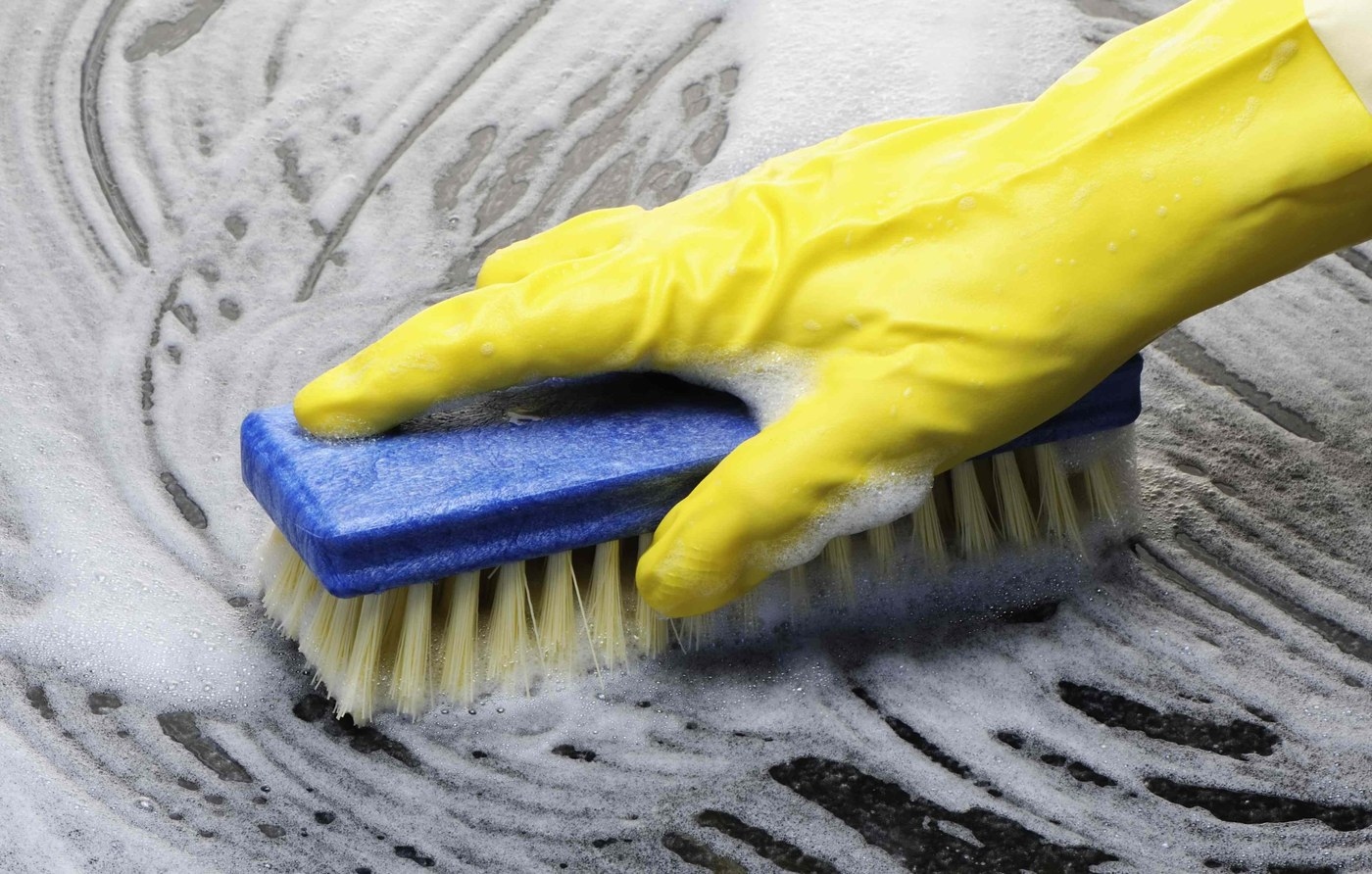
Choose a cleaning brush for the surface
The useful brush is the one suited to the material, shape and cleaning task. Compare bristle stiffness, reach and how the tool will be cleaned afterward. A strong scrubber can be useful on a durable surface while being inappropriate for a delicate finish or a food-contact application with different hazards.
Use firm bristles where scrubbing is appropriate
The Spruce identifies hard-bristle brushes as useful for grout, durable tile and other heavy cleaning tasks. A narrow brush reaches spaces that a large scrubber cannot. For household use, the article recommends nylon or plastic bristles rather than metal or wire, which can be unnecessarily abrasive.
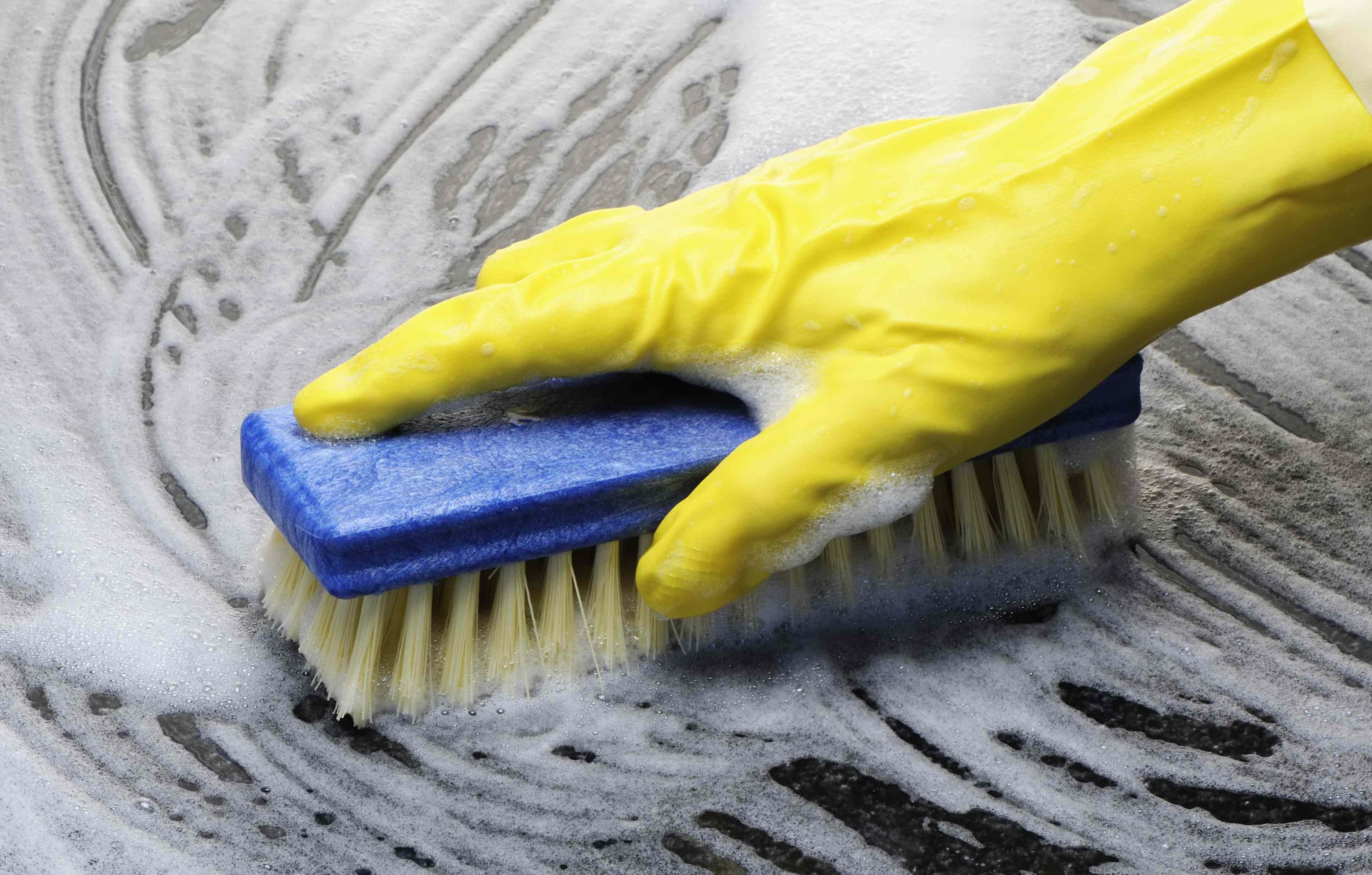
Switch tools for delicate finishes
The guide distinguishes tougher cleaning from work on glass, polished wood, painted surfaces and appliance exteriors, where softer bristles help avoid scratching. A brush's shape and stiffness should therefore follow the material and available space. Check the surface instructions first, and do not turn a recommendation for scrubbing a durable floor into permission to scour every finish in the room.
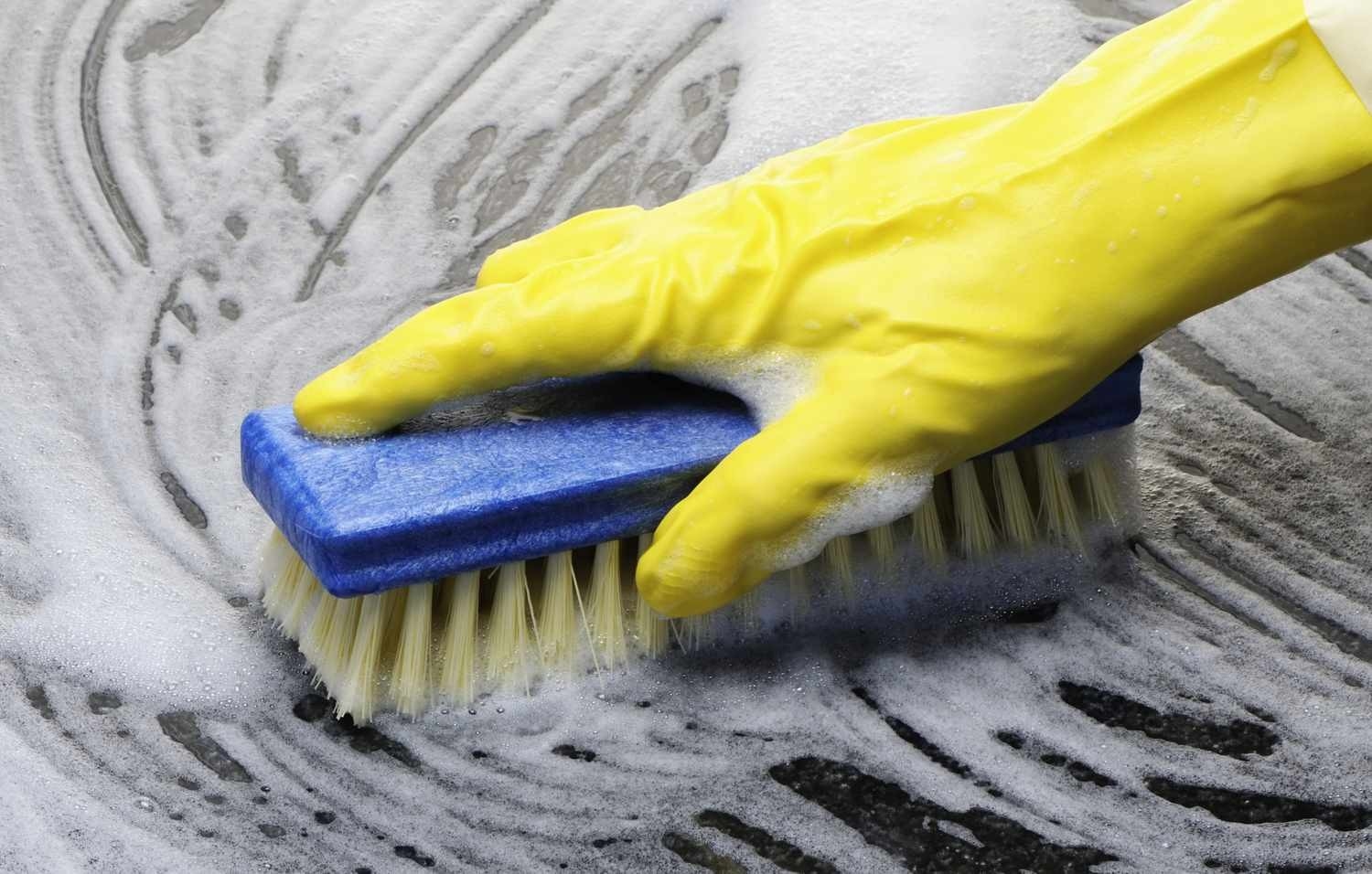
The Spruce identifies hard-bristle brushes as useful for grout, durable tile and other heavy cleaning tasks. The useful brush is the one suited to the material, shape and cleaning task.


Leave a Comment
Comments (0)