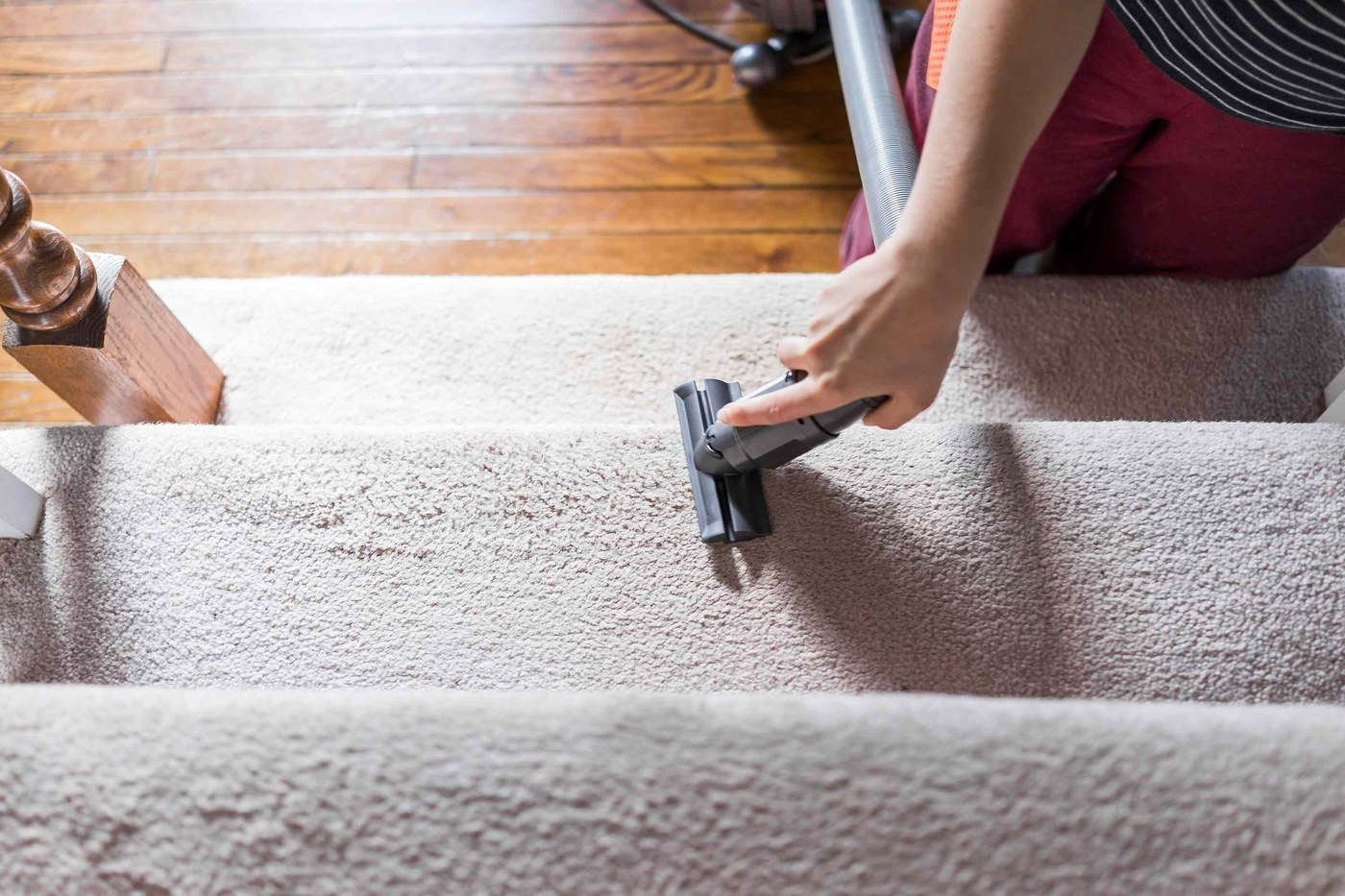
Choose a cleaning brush for the surface
The useful brush is the one suited to the material, shape and cleaning task. Compare bristle stiffness, reach and how the tool will be cleaned afterward. A strong scrubber can be useful on a durable surface while being inappropriate for a delicate finish or a food-contact application with different hazards.
Soft bristles and narrow openings do different jobs
Better Homes and Gardens explains that a dust brush uses soft bristles around the opening, while a crevice tool reaches narrow gaps along edges and between objects. An extension wand increases reach without requiring the main vacuum body to fit into the same space. These tools make the hose more useful than a bare opening alone.
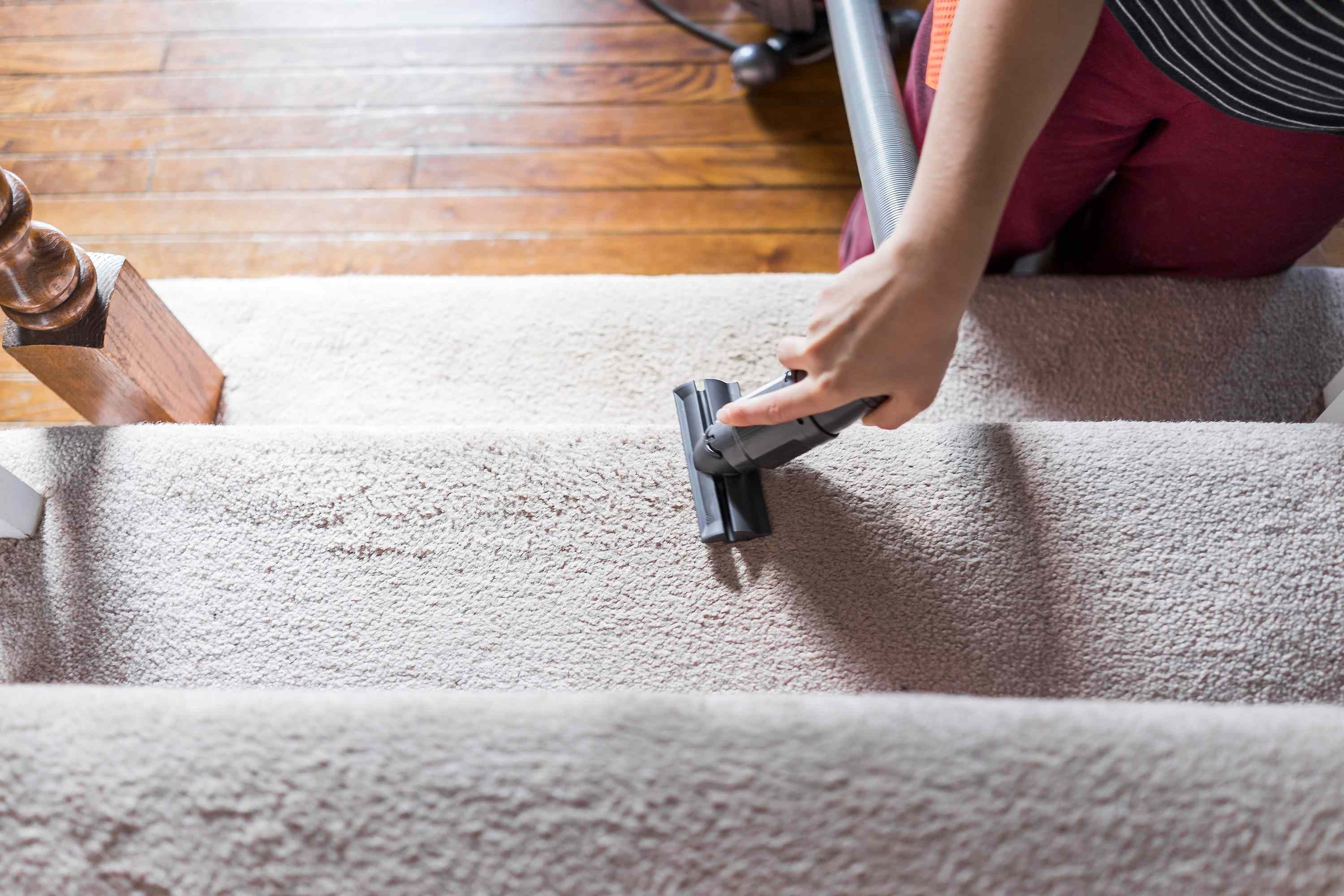
Add fabric tools where appropriate
The guide also describes upholstery, mattress and pet-hair attachments. Check what is supplied with the vacuum and whether additional tools are compatible with its connection. Choose the head for the material rather than forcing a floor brush across every object. Delicate finishes and electronic equipment still need their manufacturer's cleaning instructions, even when a dusting attachment appears convenient.
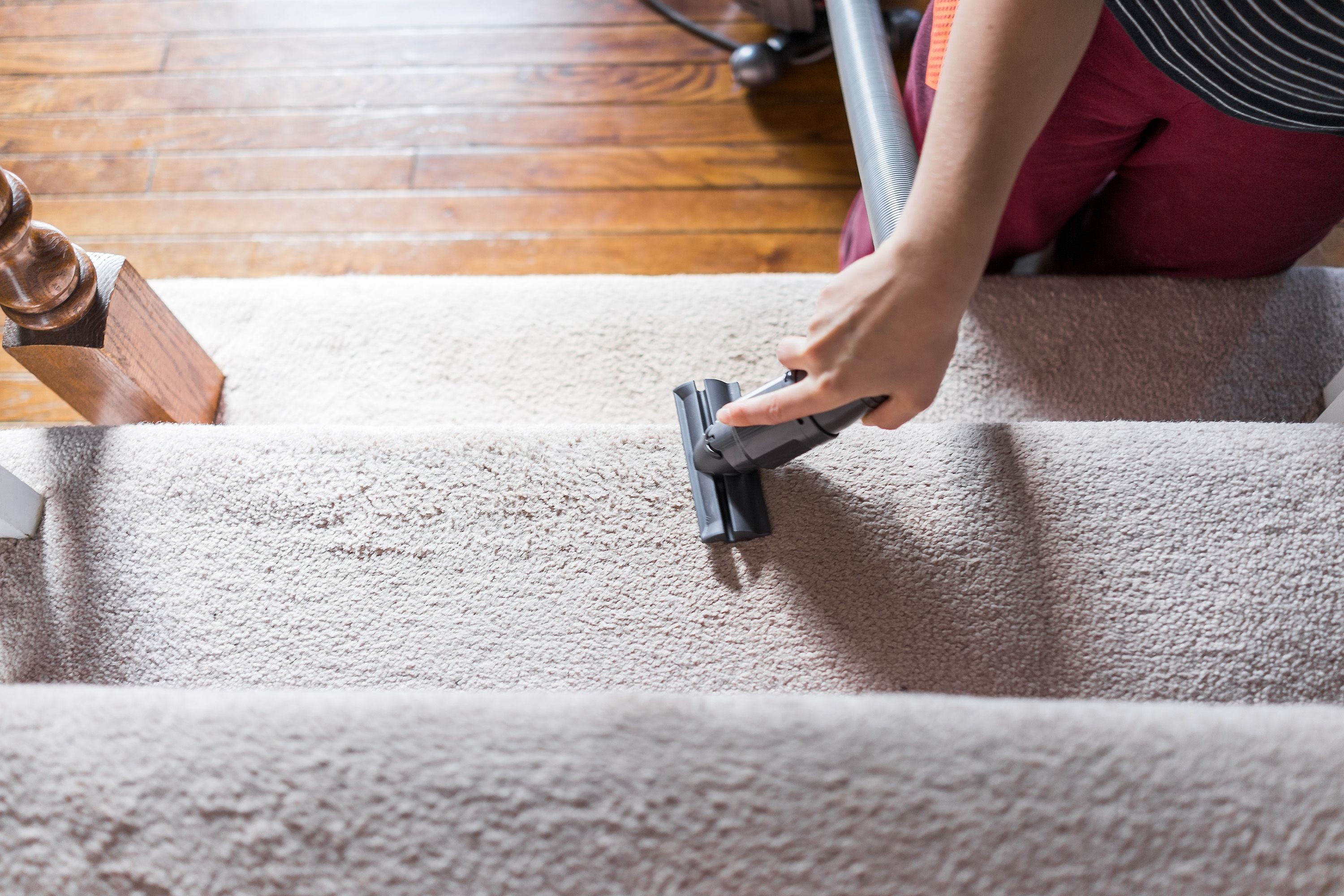
Better Homes and Gardens explains that a dust brush uses soft bristles around the opening, while a crevice tool reaches narrow gaps along edges and between objects. The useful brush is the one suited to the material, shape and cleaning task.


Leave a Comment
Comments (0)