Compare dry wet and steam mops
Choose the cleaning method after identifying the floor material and finish. Dry dust removal, damp mopping and steam are different operations with different limits. Consider reusable-pad care and access around furniture, but let the floor's maintenance instructions decide which moisture and heat exposure is appropriate.
Remove dry debris first
The Spruce recommends sweeping or vacuuming before mopping so loose dust and dirt do not become a muddy film. It distinguishes a dry flat mop used for routine dust from damp cleaning of suitable hard surfaces. The mop and solution should follow the floor type, rather than a single household preference.
Limit water on vulnerable materials
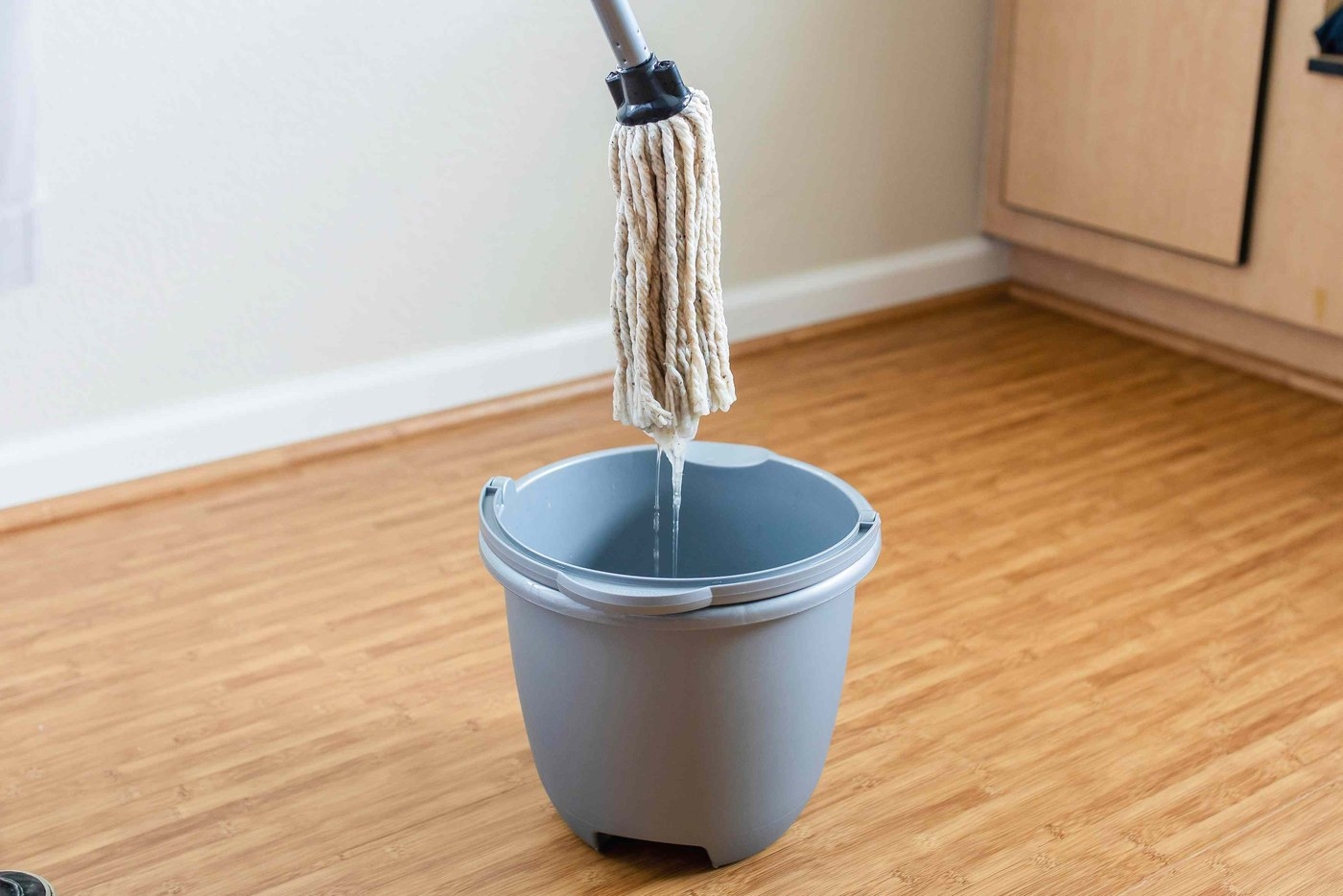
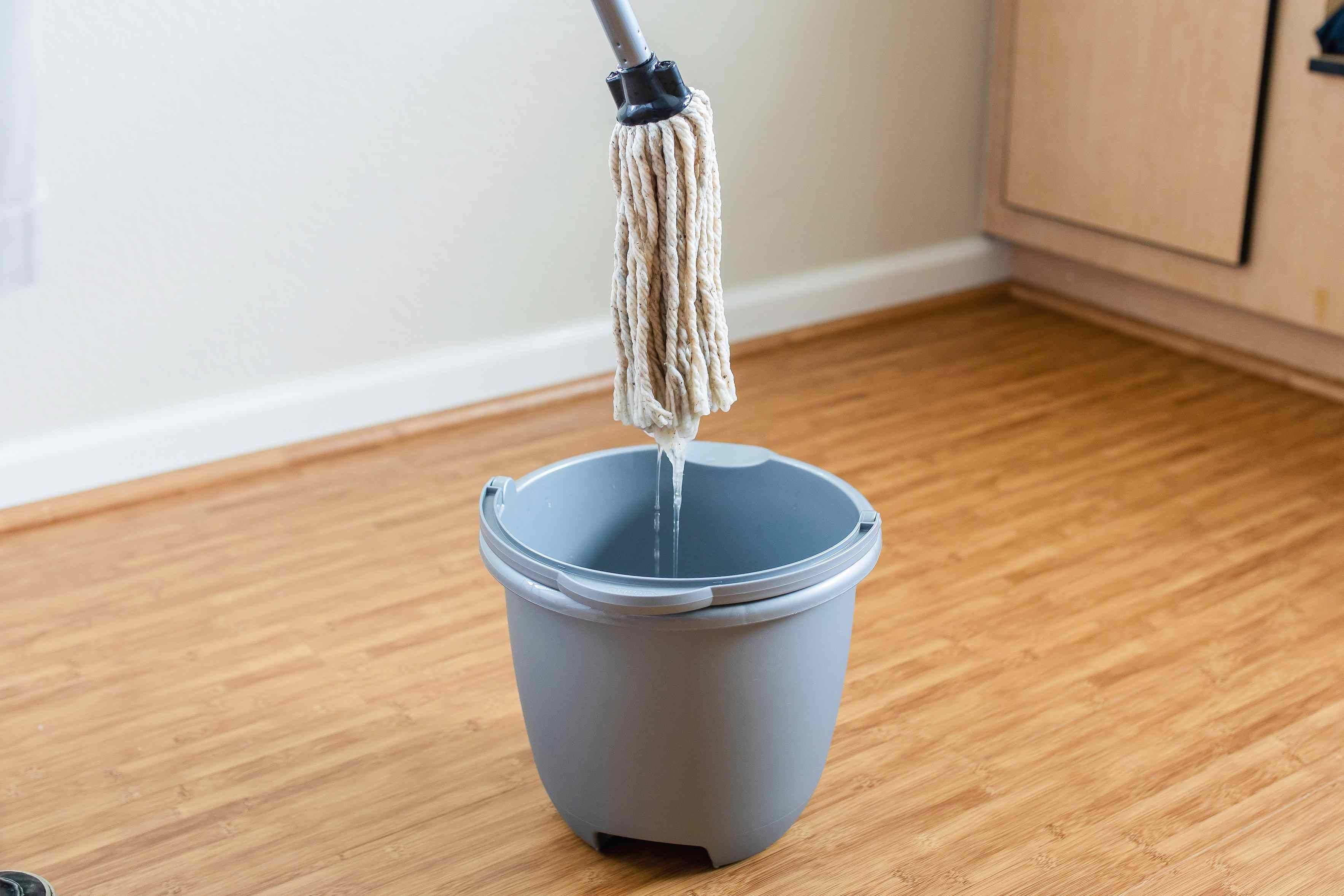
The guide cautions against heavy wet mopping on wood and laminate, even where a properly sealed surface permits an occasional damp wipe. Sponge and other mop styles have different strengths on smoother or textured flooring. Check the floor manufacturer's instructions and wring the tool appropriately; a larger amount of water does not automatically provide a deeper or safer clean.
The Spruce recommends sweeping or vacuuming before mopping so loose dust and dirt do not become a muddy film. Choose the cleaning method after identifying the floor material and finish.


Leave a Comment
Comments (0)