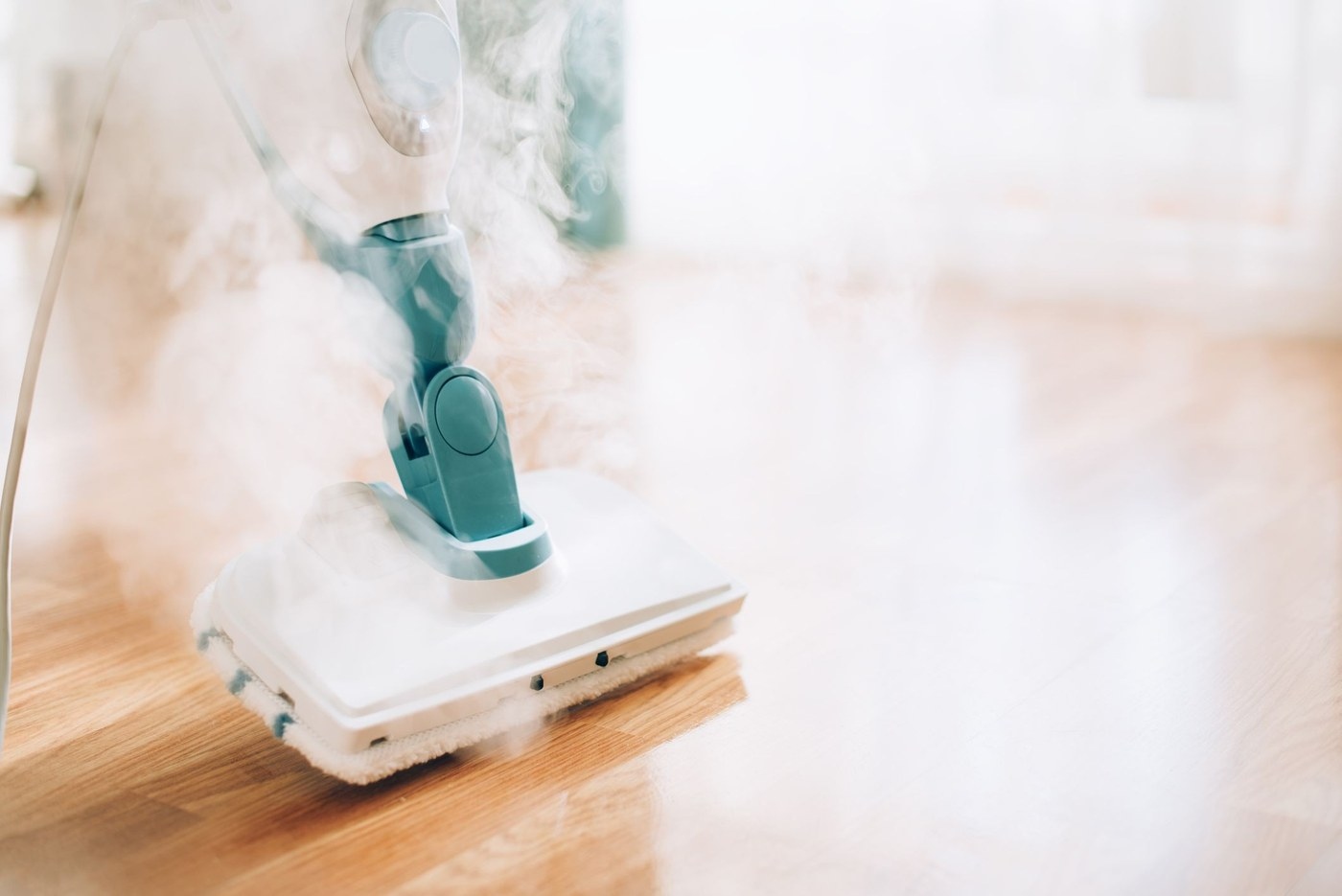
Compare dry wet and steam mops
Choose the cleaning method after identifying the floor material and finish. Dry dust removal, damp mopping and steam are different operations with different limits. Consider reusable-pad care and access around furniture, but let the floor's maintenance instructions decide which moisture and heat exposure is appropriate.
Heat and moisture can harm a finish
The Spruce warns that steam mops are not appropriate for every hard floor. Unsealed wood and other vulnerable materials can absorb moisture or suffer finish damage. The article also notes that unsuitable steam use can conflict with product warranties, making the floor manufacturer's instructions an essential part of tool selection.
Do not generalize from another room
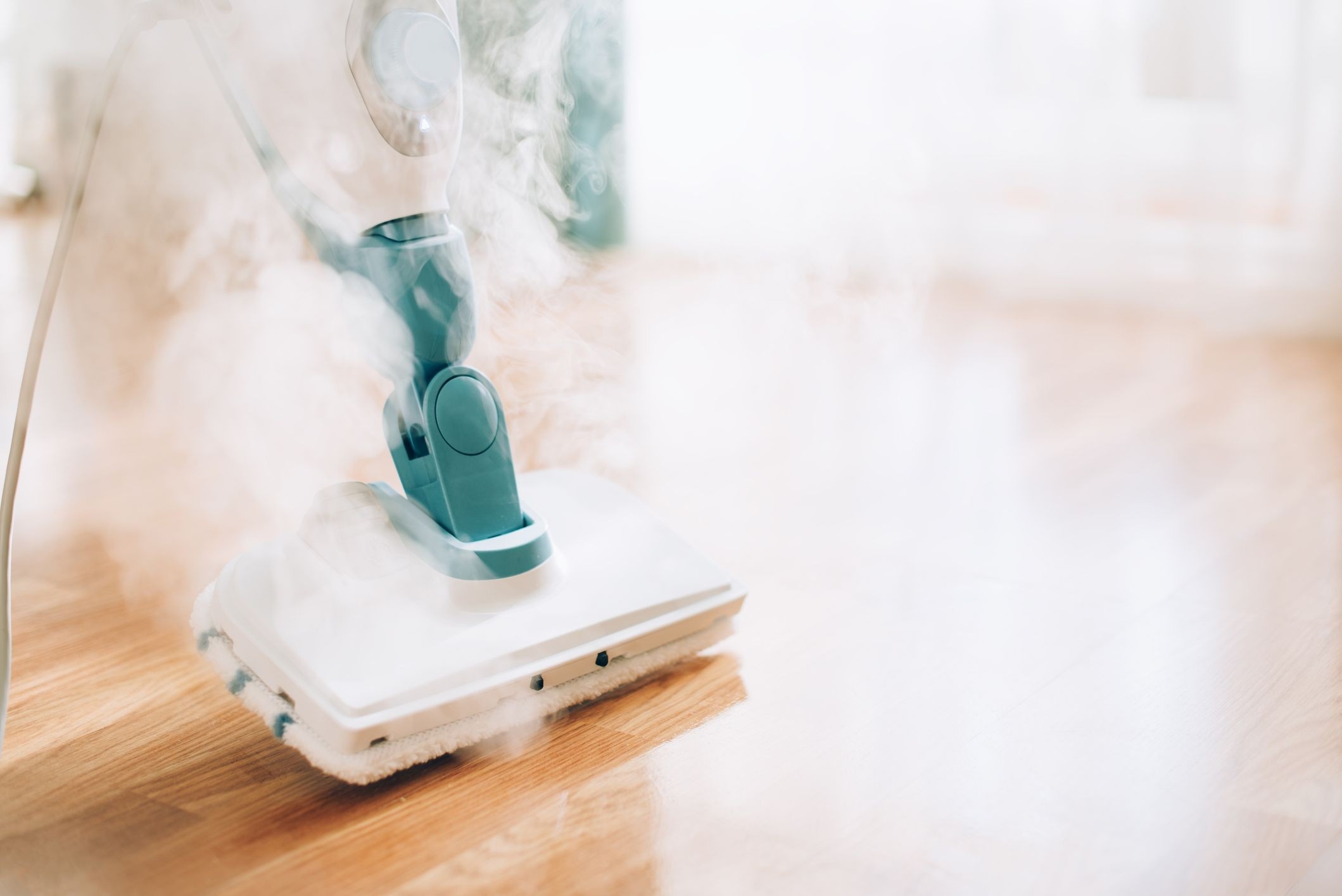
A steam method that works on one approved tile surface may be unsuitable for a nearby wood, laminate or other floor. Identify the material, finish and maintenance requirements before purchasing or using the tool. When steam is not approved, choose a compatible dry or controlled damp-cleaning method instead. The absence of added cleaning chemicals does not make heat and water harmless to every surface.
The Spruce warns that steam mops are not appropriate for every hard floor. Choose the cleaning method after identifying the floor material and finish.


Leave a Comment
Comments (0)