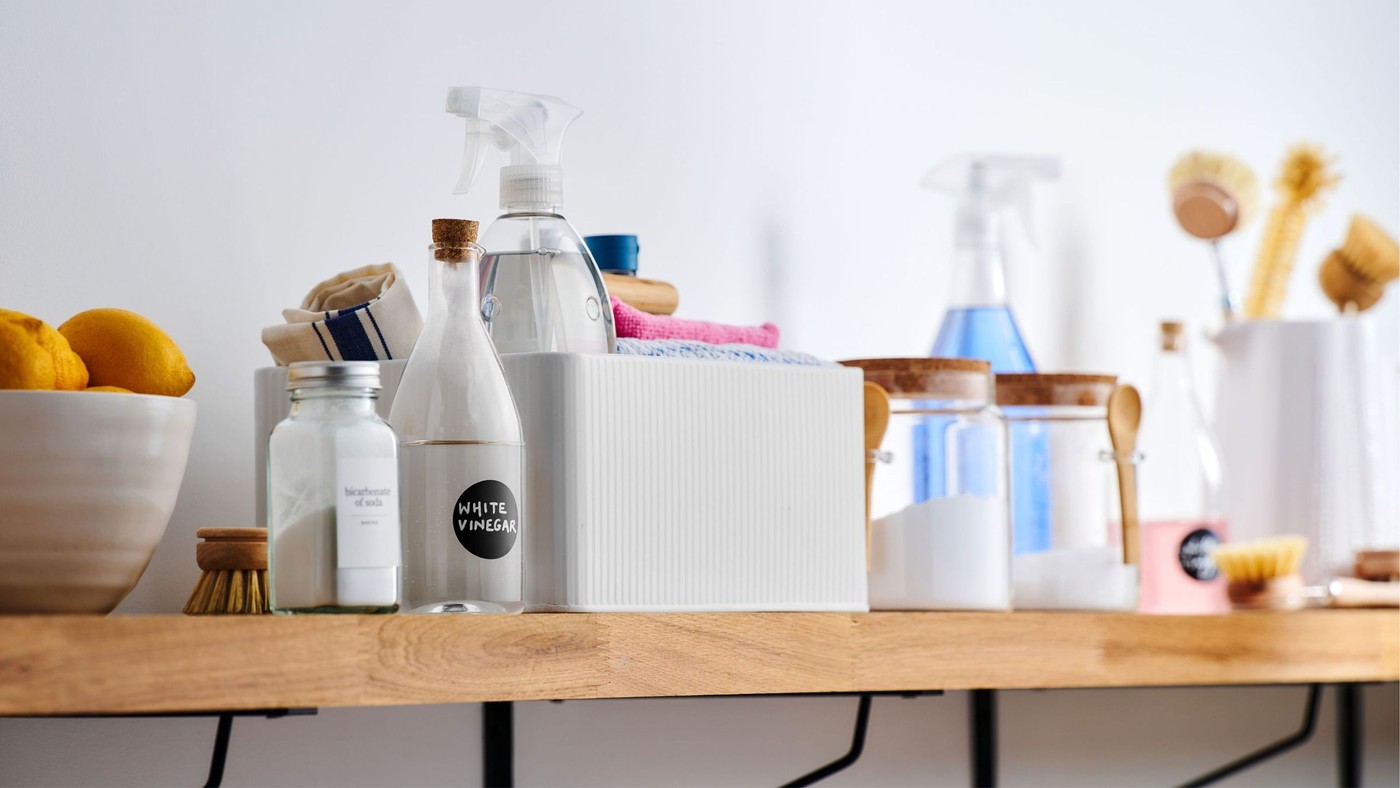
Ideal Home's budget-cleaning roundup spans cloths, surface cleaners, stain products and condensation tools. One example is an absorbent Seep cloth, showing how a familiar cleaning function can be addressed through different materials and designs.
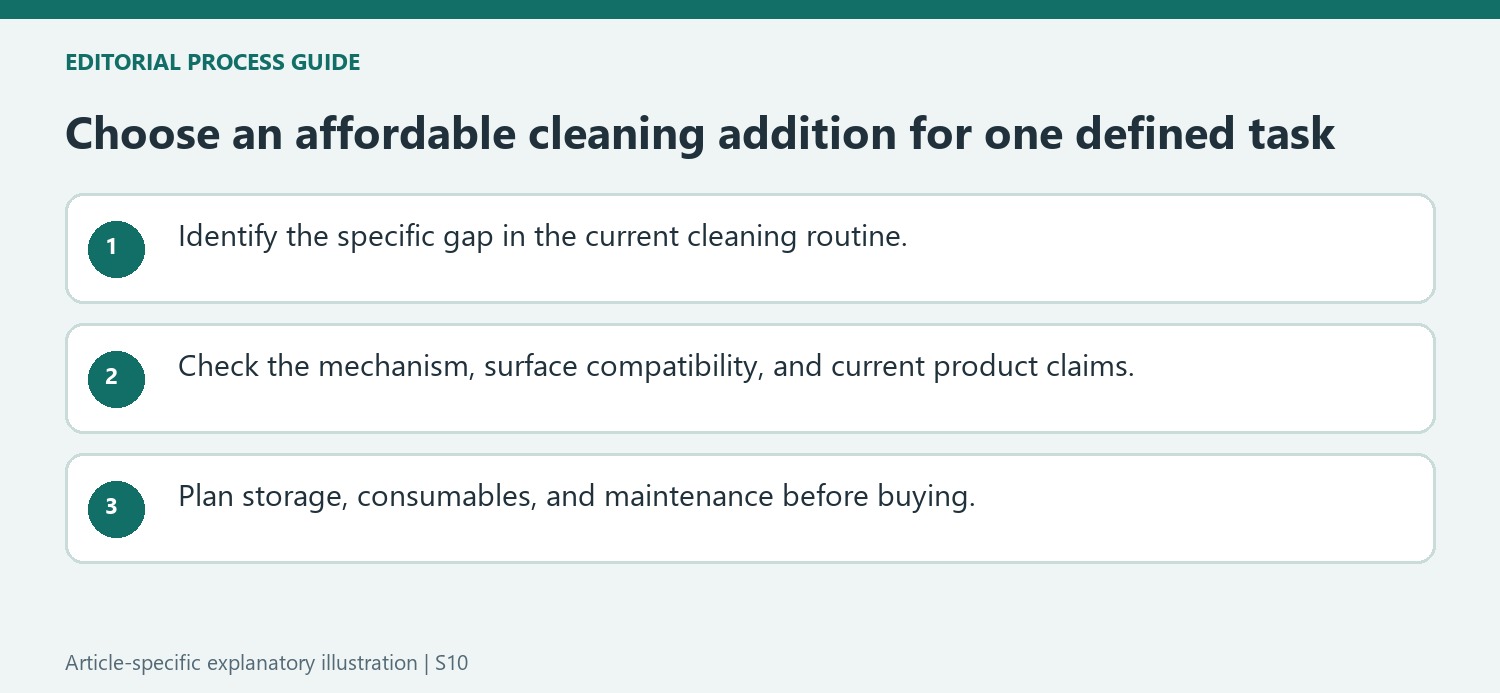
Choose by the surface and job rather than the low individual price. Check product instructions, reuse requirements and what is already in the cleaning caddy before adding more. Historical deal details can change, while a well-maintained basic tool may remain more useful than several overlapping purchases.
Treat the roundup as a dated personal trial
Ideal Home's cleaning editor describes products tried at home during a particular month, including deals available when the feature was written. That is useful firsthand context, but price, stock and promotional rankings can change. Identify the problem a product solved for the reviewer before deciding whether the same addition fills a gap in an existing household kit.
Match detailed tools to vulnerable materials
The feature contrasts a carpet scraper with a gentler electrostatic brush suggested for wool, and describes dual-ended detail tools for tracks and control-area crevices. Those examples show why shape and material matter more than a bargain label. Check carpet, appliance and tool instructions before scraping or introducing liquid around fittings. A small tool can still mark a finish if used with force.
Keep cleaning outcomes separate from scent
The article also includes fragrance-free cleaner, washing-up liquid and laundry scent boosters, which serve different purposes. Its observation that bubbles are not a measure of grease removal is a useful comparison point. Likewise, lasting fragrance is not proof of soil removal or disinfection. Read the actual use, contact and rinse instructions and avoid duplicating products that only add another scent to the same routine.
Treat the editor's monthly favorites as individual experiences
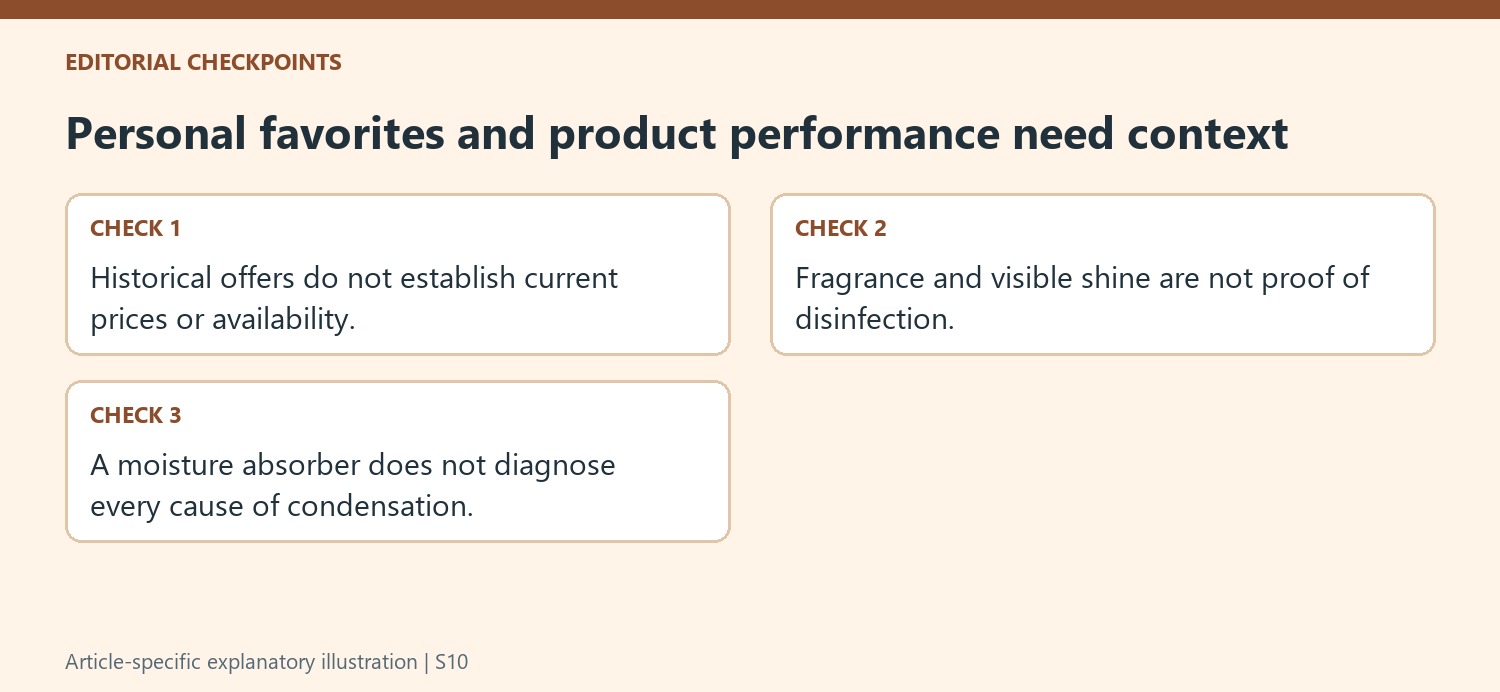
Ideal Home's Cleaning Editor reports trying a collection of inexpensive products in her own household during November 2025. Her enthusiasm helps identify possible tools to investigate, but it is not a controlled comparison across every surface or cleaning problem. Historical prices, offers, and availability need checking before a purchase. Describe the job that is currently awkward before choosing a new addition. A narrow detailing tool, a crumb collector, or a suitable cloth each solves a different issue. Buying several because they appear in one affordable roundup does not guarantee that the cleaning caddy becomes smaller or more effective.
Separate a useful mechanism from broad product claims
The source gives examples of reaching gaps around controls, collecting small dry crumbs, and removing hair from compatible carpet. Check the actual surface and tool guidance before repeating those uses. A scraper can affect delicate pile, and a small countertop vacuum has specific collection limits. Fragrance preference, foam volume, and visible shine are also different evidence from verified disinfection. Do not convert the article's marketing language about natural ingredients or non-toxicity into a universal safety assurance. For any antibacterial product, read its current label for intended surfaces and application conditions. A favorable personal account does not replace those instructions.
Buy the addition only if its upkeep fits the existing routine
Ask where the item will live, how it is cleaned, and what consumables it requires. A reusable gap tool still needs debris removed before storage; a tiny vacuum needs its collection area and filter maintained as specified. Moisture absorbers can help a particular small setting without diagnosing or fixing every condensation source. A scent booster changes fragrance rather than proving that a garment is clean enough to wear again. Compare the product with tools already available and retain the one that serves a clear repeated task. That turns the source's low-price inspiration into a considered purchase whose role, compatibility, and maintenance are understood, rather than an expanding collection of inexpensive objects with overlapping promises. Record any special care requirements before the packaging is discarded. Check whether a small detailing tool can be rinsed or needs another cleaning method, and keep its narrow working tip protected.
References
- It’s my job to test cleaning products – and these 12 under £12 impressed me the most this month. Ideal Home; Lauren Bradbury.
A small accessory can be useful without turning every new product into an essential purchase.


Leave a Comment
Comments (0)